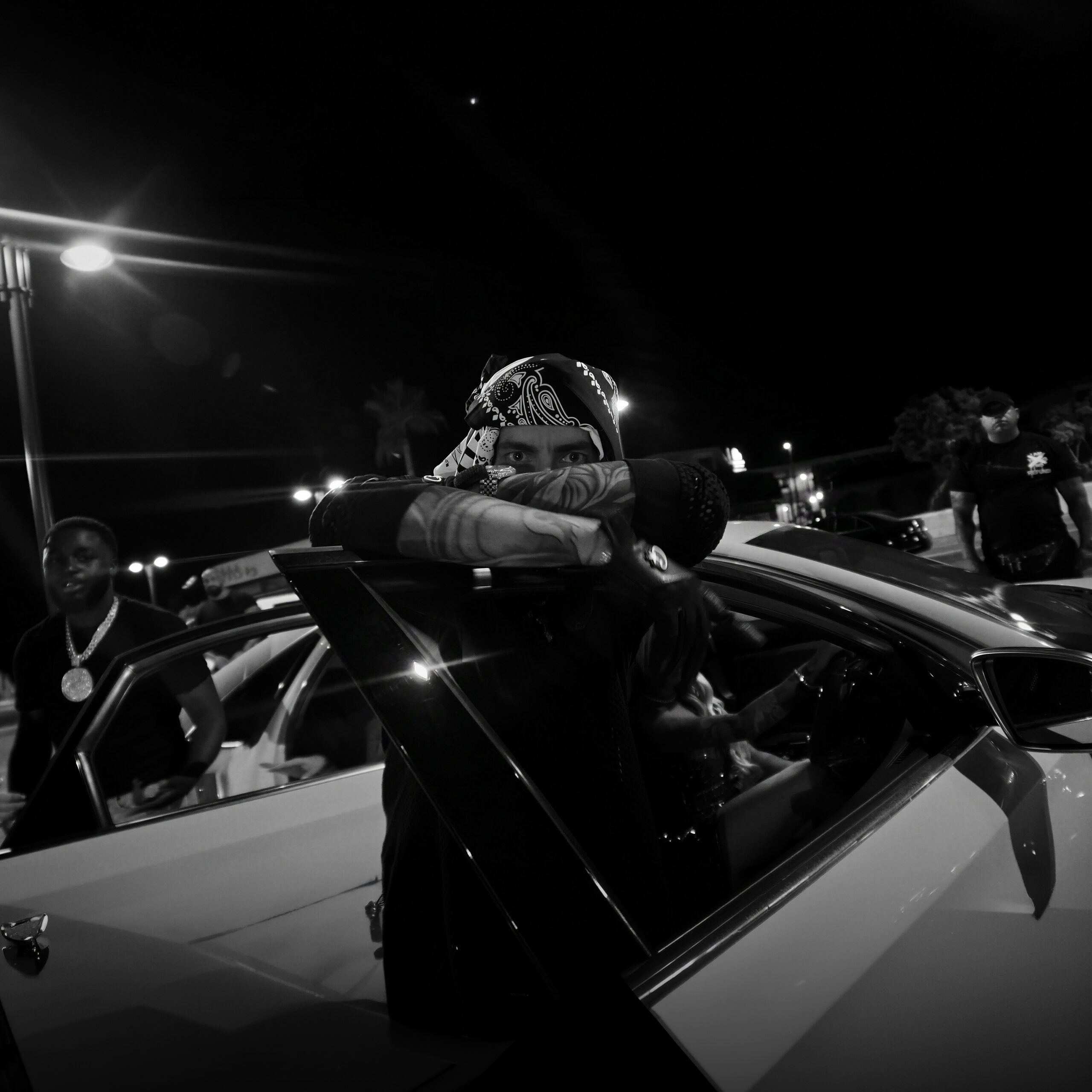


There is a peculiar kind of courage required to write an album like The Death of Bobby Freemont. Not the courage to reveal pain, that has become commonplace, but the courage to sit with it long enough to understand its shape. Over the course of more than a decade, Toronto singer-songwriter and producer Bobby Freemont has quietly gathered the fragments of grief, memory, love, and identity, assembling them into a debut that feels less like a collection of songs than a map back to oneself. It is a record that doesn’t fear silence, because it understands silence is often where healing begins.
Born from the loss of his grandparents and a close friend, The Death of Bobby Freemont is ultimately about much more than mortality. It asks what versions of ourselves must fade before we can become who we are meant to be. The ego. The fear. The expectations. The relationships we carry long after they’ve changed. Rather than resisting impermanence, Freemont embraces it, offering listeners an album that gently reminds us that endings are rarely endings at all; they are invitations to begin again.
The record opens with “somewhere by a lake,” a song that drifts into view like morning mist settling across still water. Delicate piano, soft strings, and understated rhythms cradle Freemont’s voice as he sings with remarkable restraint, never forcing emotion where quiet honesty will suffice. Throughout the album, songs such as “postcards,” “pretty little decorations,” and “five star views” continue this intimate conversation, finding extraordinary beauty in life’s smallest emotional details. His songwriting never demands attention; it earns it.
Then comes “clementine skies,” perhaps the emotional heart of the record. Beginning as little more than a whispered confession, it gradually blooms into an immense, cathartic crescendo of guitars and distortion. It is grief translated into sound: not chaotic, but expansive. The walls of noise don’t overwhelm; they liberate. In Freemont’s hands, sorrow becomes something almost luminous, transformed into an act of acceptance rather than defeat.
The closing movement of the album reaches extraordinary emotional heights with “in this ghost town.” A song carried for more than ten years before it could finally be completed, it unfolds with cinematic grace before concluding with the recorded voice of Freemont’s late grandmother Stella. It is one of those rare artistic choices that transcends sentimentality. Her voice doesn’t close the album; it opens something inside the listener, reminding us that love continues speaking long after those we cherish are gone.
There is remarkable generosity woven throughout The Death of Bobby Freemont. Rather than asking listeners to witness one man’s grief, Bobby Freemont invites them to reflect upon their own. The result is an album that comforts without pretending to heal, that mourns without surrendering to despair, and that celebrates the extraordinary resilience found within ordinary lives. It is a breathtaking debut; one that quietly affirms that even after loss, beauty continues to bloom.