
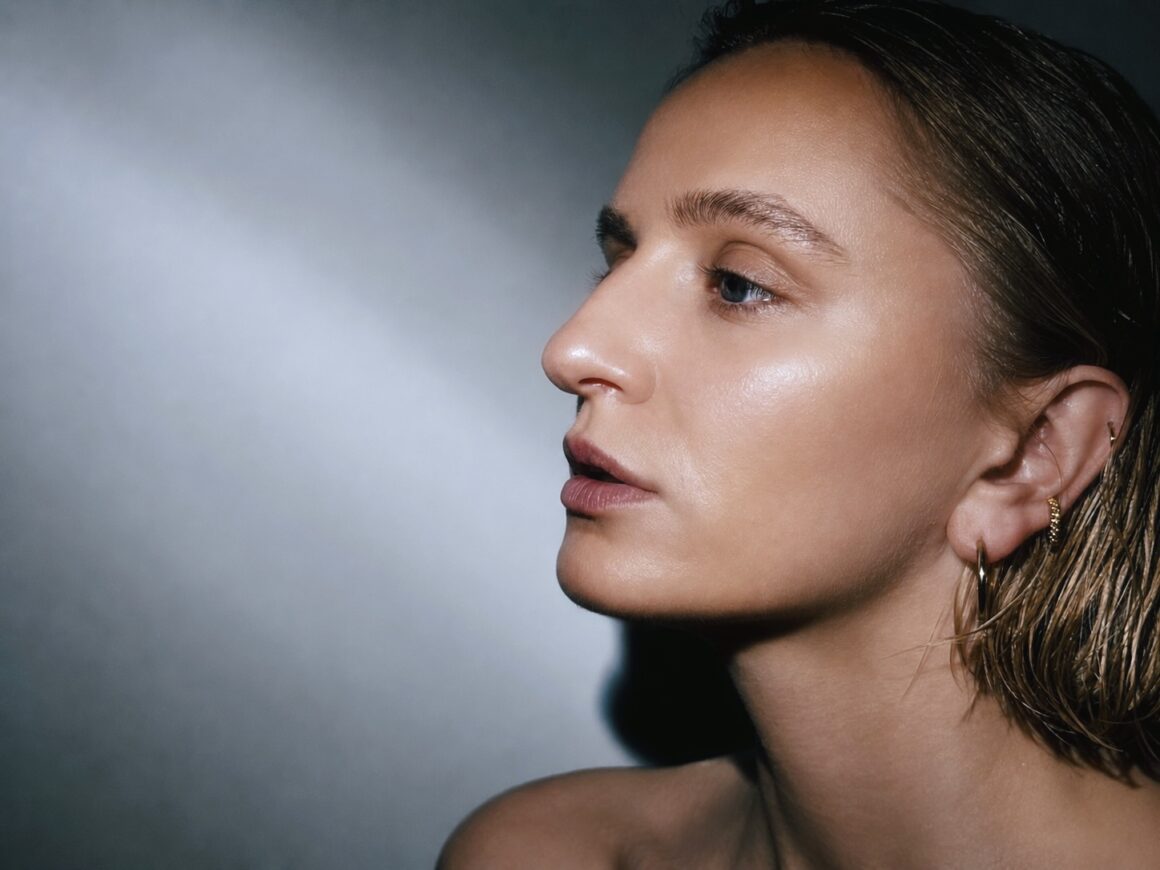
For Brighton-based artist, songwriter and producer Kaia Fincher, music is more than a creative outlet. It is a way of connecting with people, creating spaces where honesty, vulnerability and self-expression can exist freely. With a sound shaped by atmospheric electronic textures, intimate vocals, cinematic arrangements and a lifelong fascination with jazz and harmony, Fincher is steadily carving out a distinctive artistic world of her own.
Her latest single, “TYLO” (Turn Your Light On), captures that world with striking emotional clarity. The slow-building electronic pop track explores queer visibility, emotional survival and the courage to stop making yourself smaller in order to feel accepted. Beginning from an intimate space before gradually expanding in rhythm, texture and weight, “TYLO” mirrors its central message: even when your light feels like it is fading, it is still there.
Following releases including “Something New,” “Slowburn” and “Take My Love,” as well as her festival debut, Fincher is entering a new chapter defined by greater confidence, creative independence and a commitment to fully embracing her identity as an artist. In this conversation, she opens up about the inspiration behind “TYLO,” the importance of visibility, her relationship with production, the artists who inspire her, her dream collaboration with James Blake and what she hopes to build next.
For Fincher, the message is ultimately simple but powerful: “Try not to lose yourself as you become everything life asks of you.”
For readers discovering you for the first time, who is Kaia Fincher?
Kaia: I’m an artist, songwriter, and producer living in Brighton, UK. I write a lot of music, probably more than I know what to do with, and there are many songs I’m still waiting to share with the world.
Music is also how I find people. I think one of the reasons I make music is to create a space where the right people can recognise each other and gather around something honest.
I work from a home studio, usually with my dog nearby. I travel when I can, paint, and love reading, though I never seem to find enough time for it. Most of my life revolves around making things, noticing things, and trying to turn them into songs.
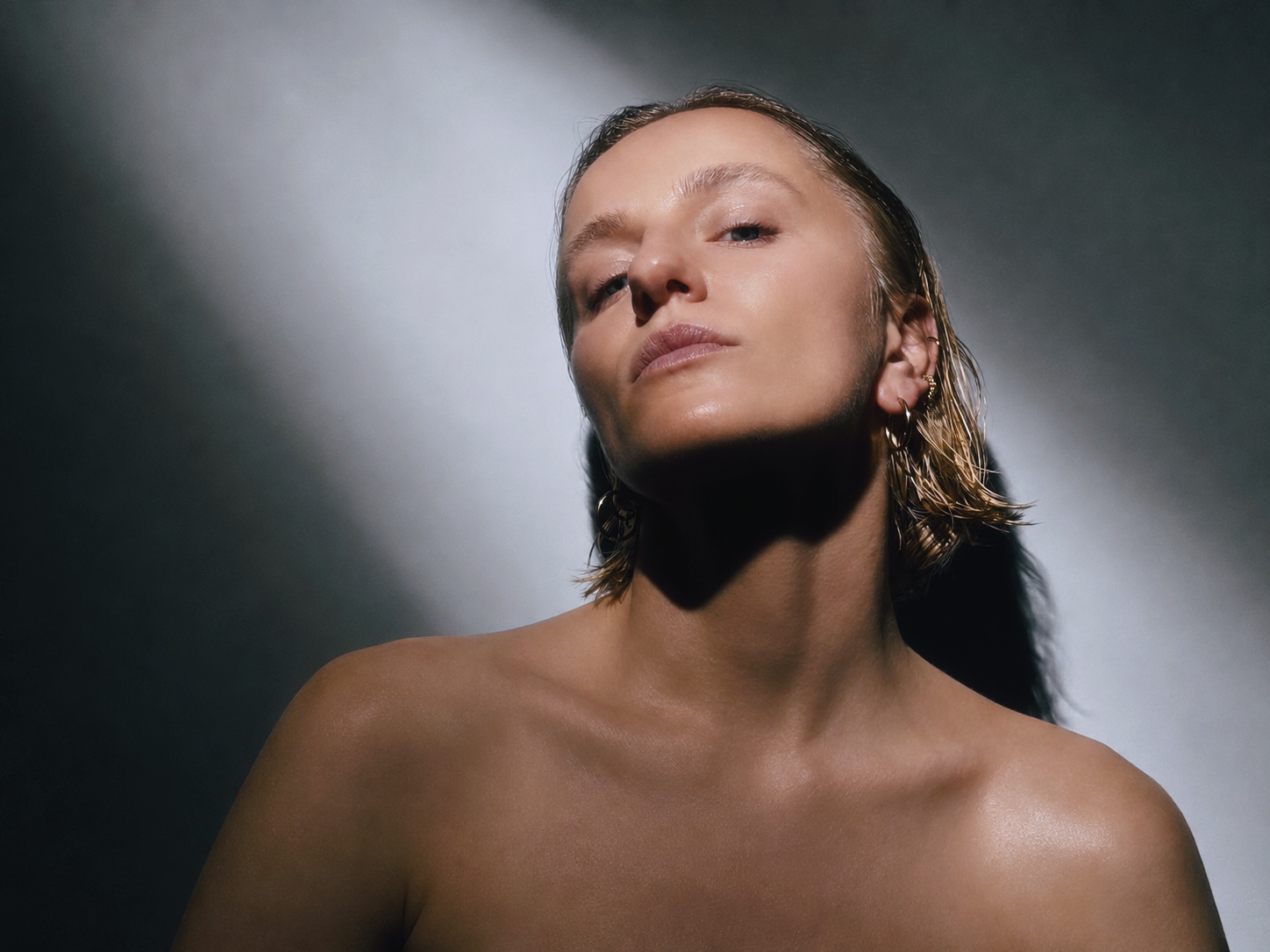
Your new single “TYLO” (Turn Your Light On). What inspired that phrase, and when did you realize it could become the foundation for a song?
Kaia: The phrase came first, almost as part of the rhythm. I heard “turn your light on” in that particular cadence, and the whole song began to take shape around it.
For me, it became an image of what we do when we find ourselves in a dark place. Sometimes you have to look directly at what frightens you, and sometimes you simply need to switch the light on so the room no longer feels quite so terrifying. Everyone has their own version of that darkness, but I think we are all searching for some form of light within it.
“TYLO” explores queer visibility, emotional survival, and the courage to be fully seen. What personal experiences or observations shaped the message behind the track?
Kaia: I think many queer people become highly attuned to which parts of themselves are welcome in a room. You learn to adjust almost without noticing, to be quieter, less visible, and easier to understand.
I know the feeling of gradually moving away from yourself to feel safe or loved. The song came from recognising that process and wanting to reverse it. Visibility doesn’t always have to be loud or confrontational. Sometimes it is simply the decision not to abandon yourself.
The song feels like a gradual emotional awakening, slowly building from vulnerability into strength. How did you approach creating that atmosphere through the production and arrangement?
Kaia: I wanted the song to reveal itself gradually. It begins in a very intimate space, with the vocal almost alone, and then slowly gathers rhythm, texture and weight.
I kept the arrangement restrained for a long time because I wanted every new element to feel meaningful. The strength doesn’t suddenly appear. It grows through repetition, movement and the gradual expansion of the sound. By the end, the song occupies much more space than it did at the beginning, yet it still carries that initial vulnerability.
You wrote and produced “TYLO” yourself. How important was it for you to have complete creative control over the song’s sound and message?
I wrote and produced the song myself, but I didn’t create it in complete isolation. I played it for a few close friends along the way and occasionally took their advice.
What mattered most was preserving the song’s emotional logic. I wanted every production choice to serve the same feeling and message, rather than pulling it in a different direction. I usually write and produce my own music, but I’m very open to collaboration when it brings something honest and unexpected to the work.
You described “TYLO” as both a plea and a promise. What do you hope listeners take away from that dual meaning?
The plea is: don’t disappear. The promise is: I won’t ask you to become smaller in order to be loved. There is vulnerability in asking someone to let you see them fully, because it also means you have to offer the same honesty in return.
The song speaks about turning your light back on when it feels like it is fading. Was there a particular moment in your own life that influenced that feeling of resilience?
Kaia: I don’t think it came from a single moment. These periods recur throughout life in different forms. You can feel yourself shrinking in a relationship, losing confidence in your work, or worrying so much about how you are perceived that you stop showing up fully.
I’ve had moments when I felt disconnected from my confidence, creativity, and sense of self. For me, resilience has meant choosing not to make myself invisible and learning to take up more space in my own life. Time moves very quickly, and we only get one life, so even when things are difficult, I try to hold on to whatever still feels like light.
You grew up surrounded by jazz records, harmonies, and the emotional architecture of songs. How have those early influences shaped the artist and producer you are today?
Kaia: Jazz taught me that a song’s emotional centre is not always in the most obvious place. It can lie in the tension of a chord, the timing of a breath, or a note that arrives slightly later than expected.
I was fascinated by harmony, but also by phrasing, the way singers like Billie Holiday could make a familiar melody feel entirely personal. My music is now much more electronic, yet that way of listening has stayed with me.
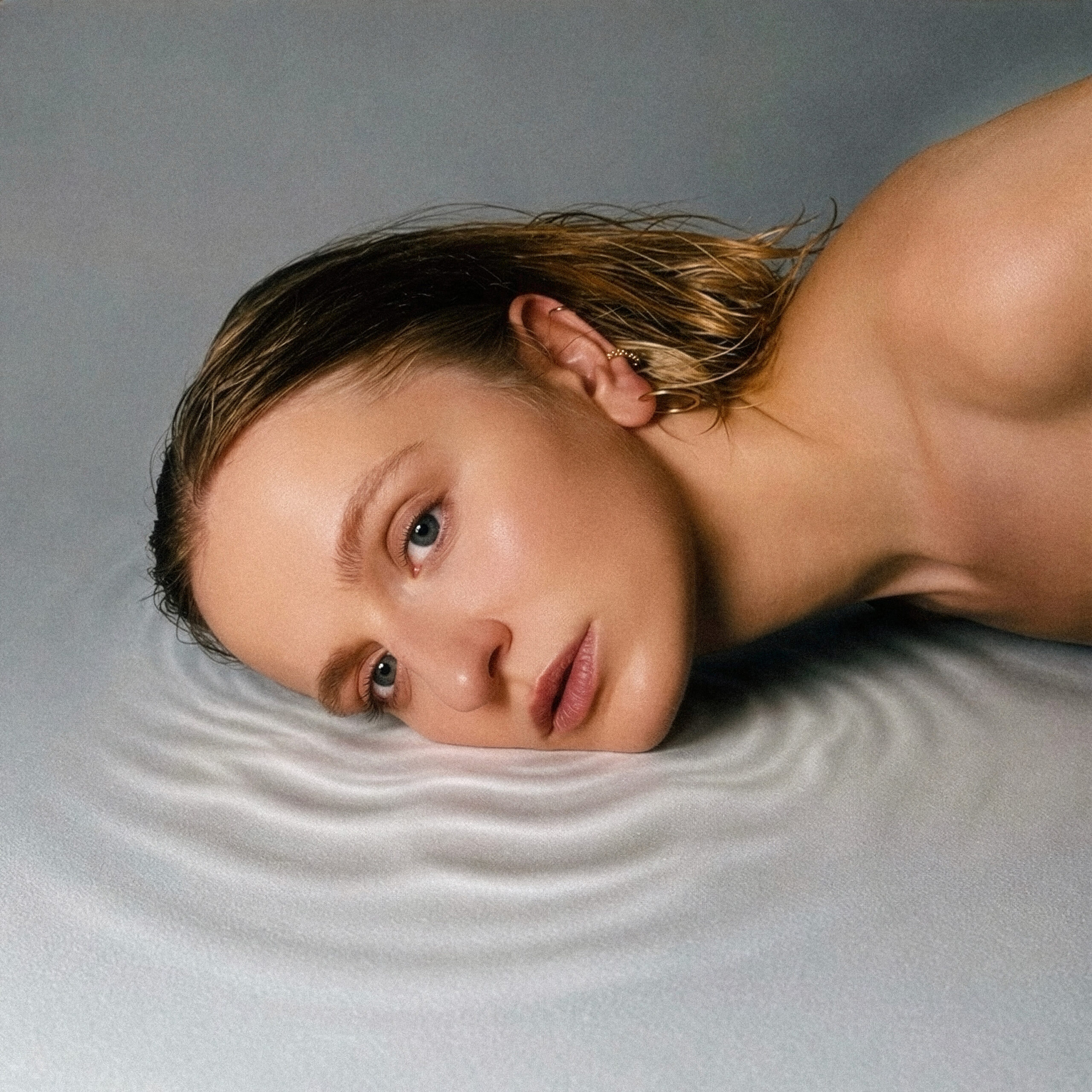
You recently performed your first live session in Brighton. How does performing your music live change the way you experience your own songs?
Kaia: It was actually my festival debut! Performing my music in front of a festival audience made me so excited. You notice where the energy shifts, where people lean in, and where a lyric suddenly feels heavier than it did when recording it.
The phrase “Kaia Fincher isn’t a name. It is a decision.” is a powerful statement. What does that idea represent about who you are as an artist?
Kaia: Thank you. For me, that statement is about making a conscious decision to be fully myself — louder, brighter and less afraid of taking up space.
It means choosing music wholeheartedly and moving forward without constantly looking back or waiting for permission. It also means doing things I never imagined: becoming not only an artist but also a content creator, a videographer, a storyteller and whatever else the music requires of me.
Kaia Fincher represents the decision to commit to this life and keep going. I made that decision, and now I want to see how far it can take me.
Which artist has inspired you?
Kaia: It changes constantly. I’m inspired by artists who build a complete language around their work rather than simply making songs.
Christine and the Queens, FKA twigs, James Blake, Thom Yorke, Caroline Polachek and Kate Bush have all influenced how I think about artistic identity, production and performance. They are very different, yet each has created a world that feels inseparable from the person making it.
Any Dream Collab?
Kaia: James Blake. I love the space and emotional tension in his production. He can make something feel intimate and monumental at the same time without over-explaining it.
What can listeners expect next from Kaia Fincher as you continue building this new chapter of your musical journey?
Kaia: I’m working on a new single at the moment, but I would love to release an EP next. Even a short body of work lets you create a small universe around the songs, which I find very exciting.
Developing the live show is also one of my main priorities. I want it to feel like more than simply performing the recordings. I want to build a complete atmosphere around the music.
Beyond that, I’m open to wherever this chapter takes me. I have a feeling I might make quite a good actress, too, haha.
Message to fans and readers?
Kaia: Thank you for reading to the end, and thank you even more if you have taken the time to listen to my music. Try not to lose yourself as you become everything life asks of you. Believe in yourself, love yourself fully, and stay grateful for the people and moments that bring you back to who you are.
With ‘TYLO,’ Kaia Fincher delivers an emotionally immersive piece of electronic pop that transforms vulnerability into strength. Built on hypnotic production, intimate vocals and a slow-burning sense of momentum, the track captures the courage it takes to be fully seen while offering a deeply human message of self-acceptance. It is a striking introduction to an artist unafraid to make softness feel powerful.