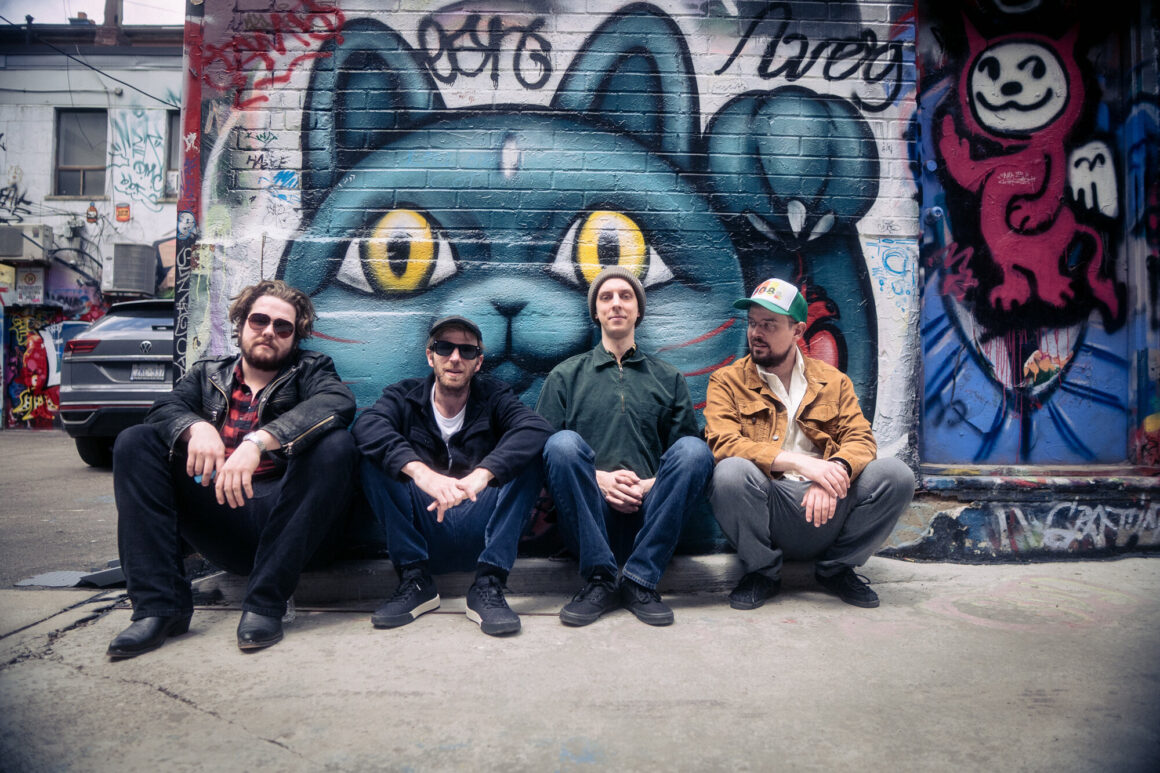

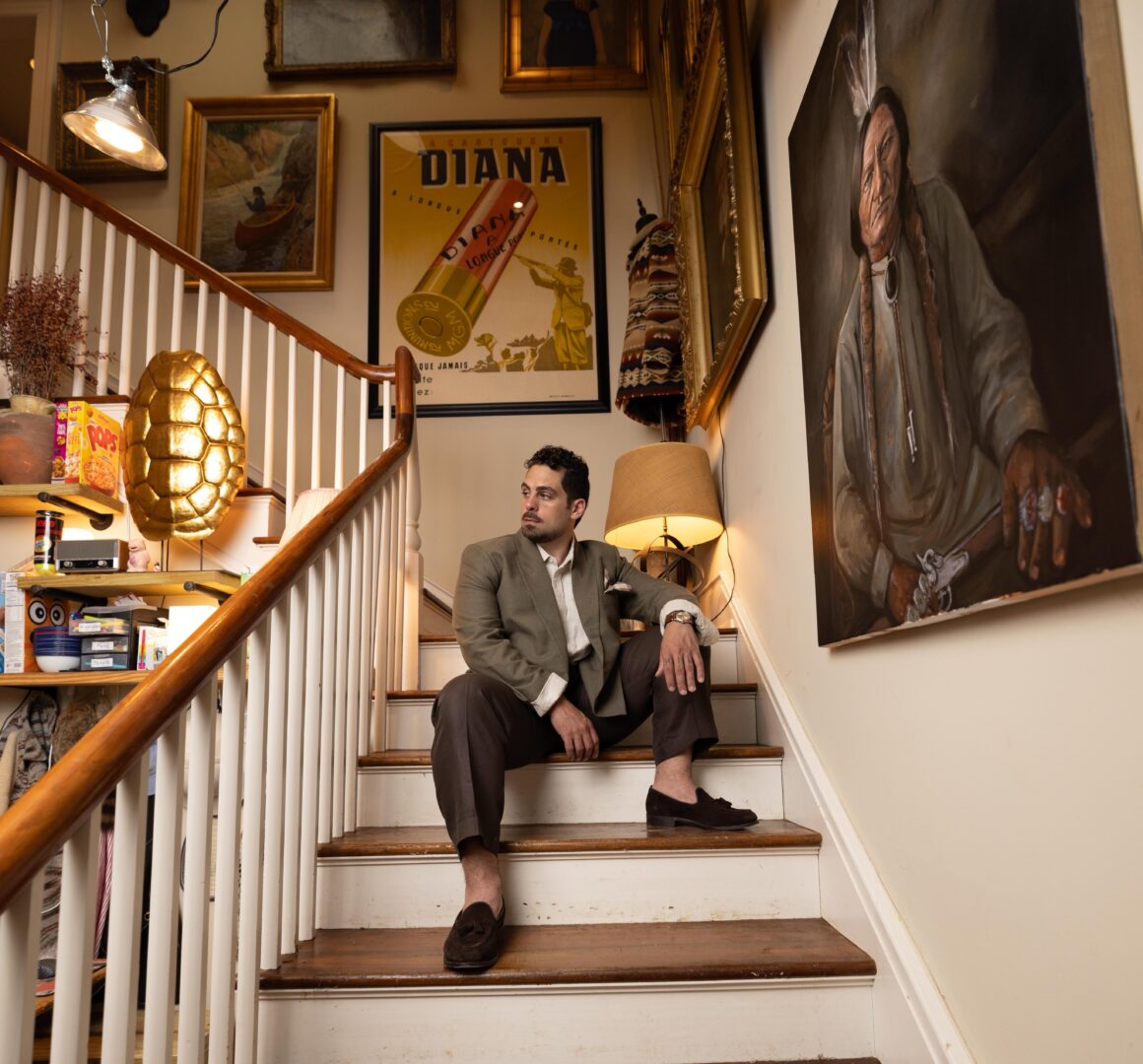
After two years of personal experiences, heartbreak, difficult lessons, and creative growth, singer-songwriter Omer Netzer is ready to share a deeply personal chapter of his life through his new EP, Let It Sing: Side A. The five-track project, released on October 2, 2026, captures an artist embracing vulnerability, confronting past mistakes and rediscovering the honesty and soul that first drew him to music.
In this interview, Omer Netzer opens up about the two-year journey behind the EP, the personal experiences that shaped its songs, the influence of his Israeli upbringing on his approach to American roots music, and why he refuses to confine his sound to a single genre. He also discusses the creative thinking behind “Unholy,” the emotional progression connecting the five tracks, and his vision for the project’s next chapters.
Congrats on your new EP, Let It Sing: Side A. What does this project represent for you creatively, and why did this feel like the right time to tell this particular story?
Omer Netzer: It’s been two years of work, but really, it’s been two years of life. I went through a journey that wasn’t easy. My heart broke, people came in and out of my life, and I faced things I never thought I’d have to face.
But I believe everything is a lesson. In a world where so much can feel fake, this project brought me back to the roots, to that old-school warmth, honesty, and love I grew up on.
I think we need more of that. More innocence, more soul, more rock ’n’ roll. That’s what Let It Sing represents to me: giving people something real.
The EP moves through love, loss, desire, regret, and moving forward. Was there a particular period or experience in your life that became the emotional starting point for the project?
Omer Netzer: I think the emotional starting point was when I realized I had to really look at myself. Not just at who broke my heart, but at the hearts I broke too.
There was love, loss, mistakes, people I had to let go of, and a lot of lessons along the way. But somehow, through all of it, I never stopped believing in love.
That’s why you hear desire, regret, pain, and hope across the EP. They’re not five separate stories. They’re different moments from the same journey.
The five songs have very different personalities. How important was it for you to allow different sides of your personality to exist on the same project?
Omer Netzer: I think that’s the most honest part of the project. I’m not one thing. None of us are.
Some days I’m romantic, some days I’m heartbroken, some days I want to pray, and some days I just want to turn the guitar up and let the animal out.
I didn’t want to put myself in a box just to make the songs fit together. The thing that connects them is me. Different sounds, different emotions, different sides of the same person.
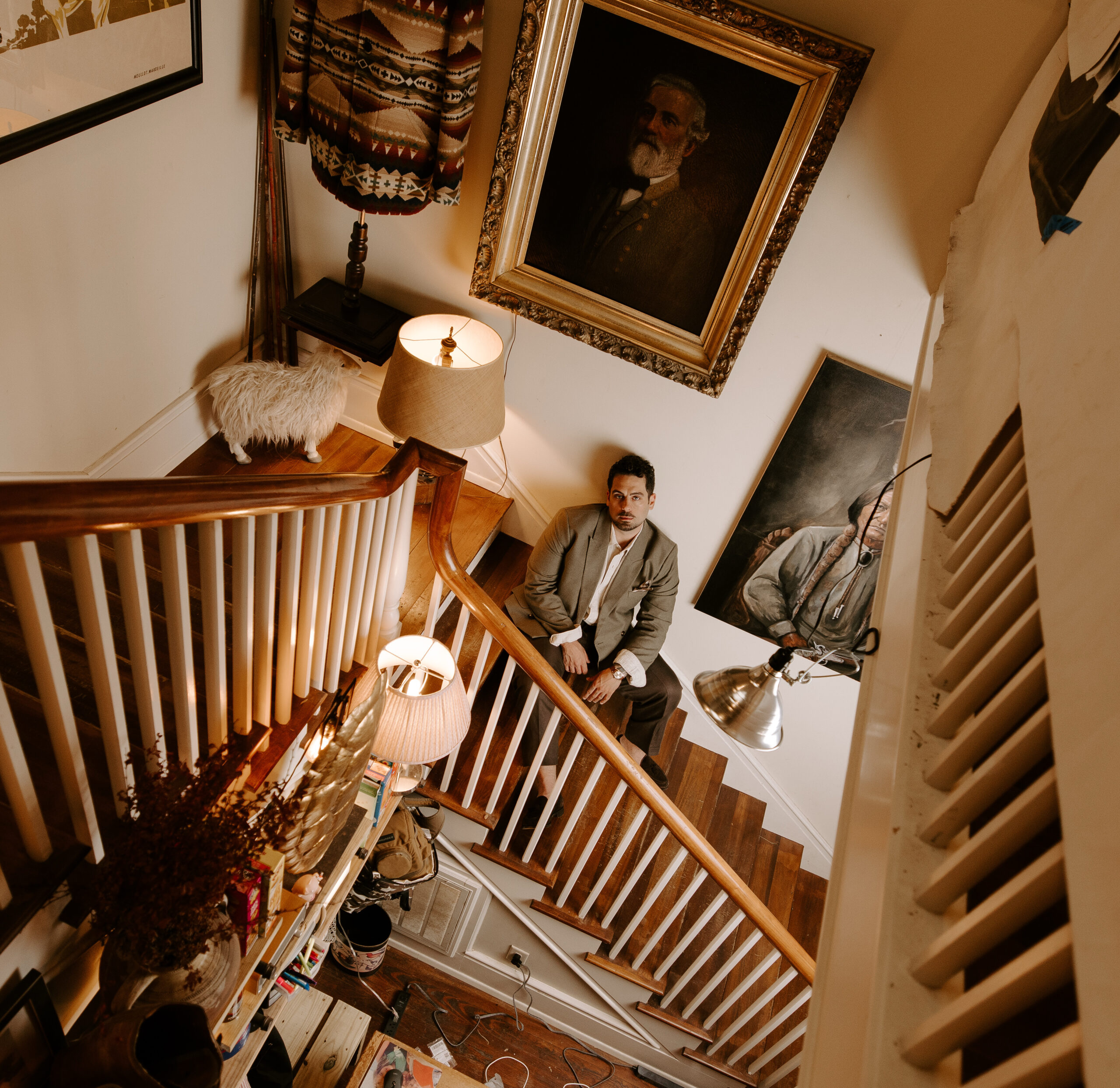
“Unholy” is the focus track, and you use biblical imagery, Judas, Jezebel, forbidden fruit, and “glory hallelujah” to explore desire and temptation. Where did that concept come from?
Omer Netzer: “Unholy” came from that moment when you meet someone and the chemistry is so strong that you’re willing to break a few rules.
I grew up with faith and biblical stories around me, so that language is naturally part of who I am. I loved playing with the contrast between something sacred and something a little sinful.
Sometimes desire feels like forbidden fruit. You know you probably shouldn’t, but you take the bite anyway. And maybe you say hallelujah after.
Your music has been described as country, Southern soul, blues, Americana, and roots-rock. Do you still think of yourself primarily as a country artist, or have you reached a point where genre matters less to you?
Omer Netzer: I love country music, but I don’t wake up in the morning trying to fit into a genre. I wake up trying to tell the truth.
I grew up on blues, rock ’n’ roll, soul, country, and singer-songwriters. All of those sounds are part of me, so I don’t want to choose between them just because there needs to be a label on the record.
Nashville taught me a lot about storytelling, and country will always be part of my DNA. But at the end of the day, I want you to hear an Omer Netzer song, not a genre.
Coming from Israel and building a career in American roots music gives you a perspective that isn’t necessarily typical of the Nashville scene. How does your background influence the way you approach country and Americana?
Omer Netzer: I think I fell in love with the sound before I even understood the words.
I was born into a record store in Israel. Music wasn’t a career in my house, it was love. Pure love. I grew up surrounded by records, guitars, voices and stories from places I had never seen. And as I got older and started understanding the words, those words became something I could hold on to. In some of the hardest moments of my life, they saved me.
That’s what brought me to American roots music. It wasn’t about trying to sound American or trying to fit into Nashville. Something in that honesty already felt like home to me long before I ever lived here.
And then you have a dream. A real dream costs you something. You leave home, you leave people you love, you sacrifice comfort, relationships, time, sometimes pieces of yourself, because there’s a voice inside you that won’t let you walk away from it.
I came from Israel to Nashville carrying that little kid from the record store with me. I’m still chasing the same feeling he was chasing when he put on a record and the whole world disappeared.
Let It Sing: Side A is described as a story about the complicated aftermath of heartbreak, grief, temptation, reckless choices, accountability, and eventually hope. How much of the project required you to confront uncomfortable parts of yourself?
Omer Netzer: It’s easy to write a song where you’re the one who got hurt. It’s much harder to write one when you realize you were also the one doing the hurting.
Making this project forced me to look at the choices I made, the people I lost, the hearts I broke, the times I ran away, and the things I wish I could go back and do differently.
For a long time, I thought being strong meant carrying everything and moving forward. But these songs taught me that real strength is being able to look in the mirror and say, “I was wrong. I’m sorry. I need to grow.”
I’m not proud of every chapter of my story, but I don’t want to erase any of them either. They made me the man and the artist I am today.
“It’s easy to write yourself as the hero of your own story. The hard part is admitting that sometimes you were the heartbreak.”
There seems to be a progression on the EP from desire and escape toward self-awareness and reflection. Did you intentionally build that emotional progression into the tracklist?
Omer Netzer: I wish I could say I planned it that way from the beginning, but I didn’t. Life wrote the order before I understood what the story was.
When I was writing these songs, I was just living through it. Desire, escape, heartbreak, mistakes, regret. I wasn’t thinking about an emotional arc. I was trying to survive the moment and tell the truth about it.
It was only later, when I put the songs next to each other, that I realized I could hear myself changing. The man who started writing this project isn’t the same man who finished it.
That’s when the tracklist became clear. I wanted people to experience that evolution in the same way I did, not perfectly, not in a straight line, but honestly.
You have already released “Don’t Ask Me” and “Praise The Lord (For A Woman)” ahead of the EP. What have you learned from seeing listeners respond to those two very different sides of the project?
Omer Netzer: “Don’t Ask Me” comes from a really painful place. It’s that last conversation, when the relationship may be over but the love and the pain are still very much alive.
“Praise The Lord” is almost the other side of me. It has humor, desire, hope, and that feeling that after everything you’ve been through, you can still believe the right person is out there.
Seeing people connect with both reminded me that we’re all contradictions. We can be heartbroken and still flirt. We can grieve something and still laugh. We can lose love and still believe in it.
I think that’s what I want my music to represent. Not one emotion, but the whole human being.
“You can have a broken heart and still believe in love. I think that’s one of the most human things about us.”
The EP is the first chapter of a three-part release, followed by Let It Sing: Side B and a Live EP. Why did you decide that this story needed to unfold across three projects rather than one full-length album?
Omer Netzer: Side A is where you meet me in the middle of it. The heartbreak, desire, mistakes, temptation, and all the questions I was still trying to answer. Side B is what happens after. It goes deeper into who I became because of those experiences, what I learned, what I lost, and what I’m still carrying with me.
And then comes the Live EP, because that’s where I feel most alive. The studio is where I tell the truth, but the stage is where the fire comes out. There’s nowhere to hide. It’s probably the purest version of me.
And doing that at FAME means everything. You can feel the history in those walls. I have enormous respect for what was created there, but I’m not going there just to celebrate the past. I want to be part of what comes next.
“I spent two years living this story. Side A is what happened to me, Side B is who it made me, and the stage is where I set it all on fire.”
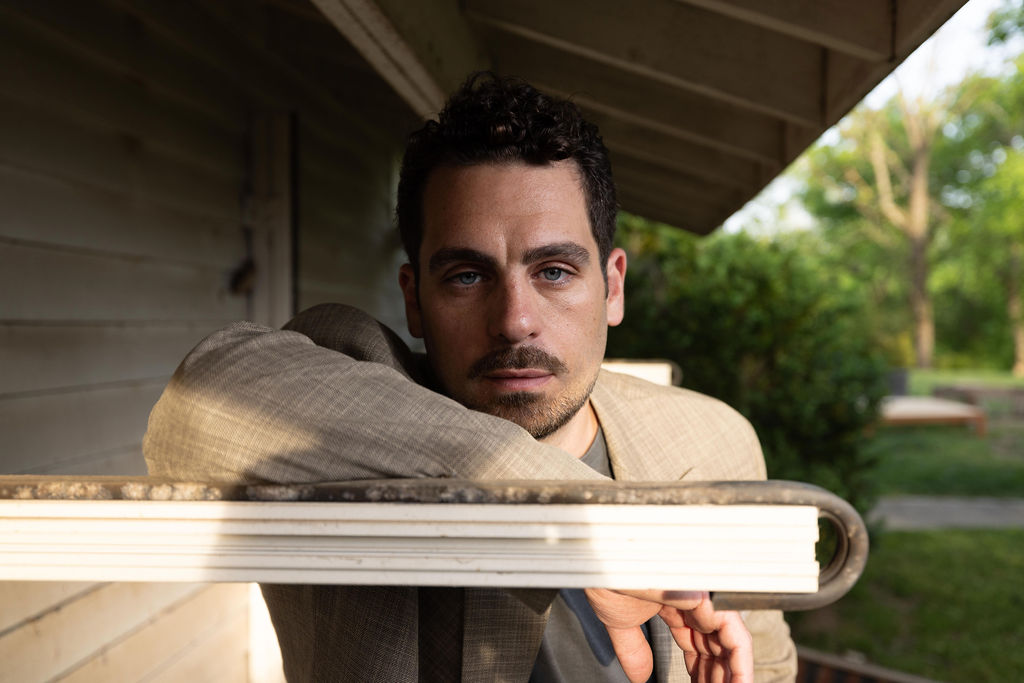
Without giving away too much, how will Side B expand or change the emotional story that begins on Side A?
Omer Netzer: I don’t think healing means you wake up one morning and everything stops hurting. Some things stay with you. Some people stay with you, even when they’re no longer in your life. But eventually you learn how to carry those things without letting them define you.
Side B has more acceptance, but it also has more freedom. There’s still pain, there’s still desire, there are still mistakes, because I’m still human. But there’s a different man singing those songs.
I think that’s the real evolution of this record. I wasn’t trying to get back to the person I was before everything happened. I was learning to love the person I became because of it.
“Healing isn’t becoming who you were before. It’s learning to love who you became after.”
After listeners finish Let It Sing: Side A, what do you hope they carry with them from these five songs?
Omer Netzer: More than anything, I hope they feel something real.
I was that kid in my dad’s record store, putting on records and finding pieces of myself in songs written by people I had never met. Later in life, those songs became more than music. They gave me somewhere to go when I was hurting. They made me feel less alone.
Now I get to be on the other side of that, and I don’t take it for granted.
I don’t need people to understand exactly what happened to me. I want them to hear these songs and think about their own life. Their first love. The person they lost. The mistake they still carry. The person they’re trying to forgive, even if that person is themselves.
And maybe somewhere in all of that, they turn the music up, smile, cry, dance, fall in love again, whatever they need in that moment.
Because at the end of the day, that’s what music gave me.
Quick Fire for Omer Netzer
One artist who shaped the way you think about songwriting?
Omer Netzer: Bob Dylan. He taught me that a song can be simple and still say everything.
One album you could listen to forever?
Omer Netzer: Eric Clapton, Unplugged.
The first song you remember learning to play?
Omer Netzer: Johnny Cash, “Get Rhythm.”
One word to describe “Unholy”?
Omer Netzer: Temptation.
Country, blues, or rock, which gets your heart racing fastest?
Omer Netzer: Blues. It’s where my guitar speaks.
One artist you’d love to share a stage with?
Omer Netzer: Eric Clapton. Full circle.
Your favorite Nashville songwriting spot?
Omer Netzer: Anywhere with a guitar and no clock.
One thing you always need before going on stage?
Omer Netzer: A photo of my grandmother. She always believed in me. I look at it before I go on stage to remind her, and myself, that I’m not giving up.
If Let It Sing: Side A were a movie, what would its title be?
Omer Netzer: Beautifully Broken.