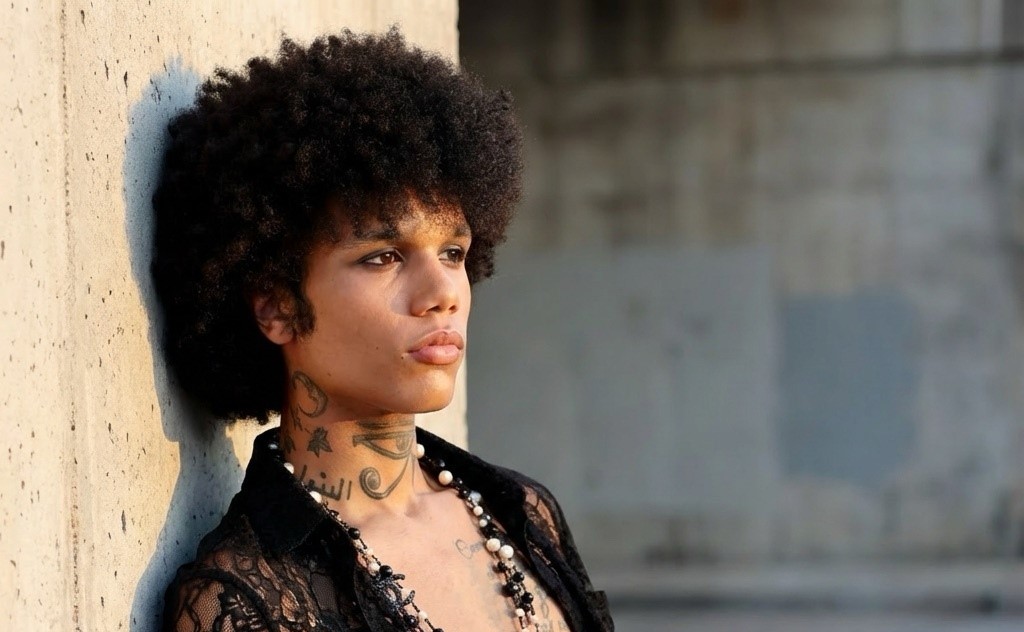

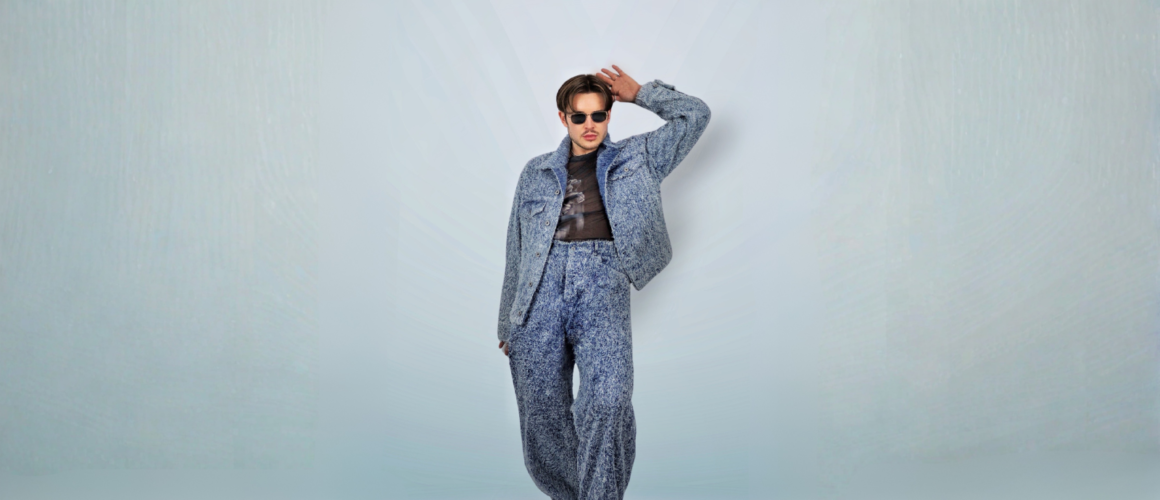
Manchester’s dance-pop scene has always thrived on emotion, freedom, and late-night euphoria, and Tom Wills is quickly becoming one of its most exciting new voices. Blending melodic house, synth-pop, and deeply personal storytelling, the openly queer artist channels the energy of Manchester’s LGBTQ+ club culture into music built for both the heart and the dancefloor.
With his latest release, “Laid,” created alongside Sholz-Y, Tom reimagines James’ iconic 1993 indie anthem as a soaring modern club record, transforming its chaotic passion into something cinematic, euphoric, and unapologetically queer. The track arrives following the success of his breakout single “Mid-Night Moves,” which climbed to #4 on the UK iTunes Dance Chart and reached #19 on the German Dance Charts, earning thousands of radio plays across the UK and Europe.
Ahead of the release and his live debut performance at Pride in Trafford, we caught up with Tom Wills to talk about growing up in Manchester, finding freedom on the dancefloor, reworking a beloved classic, and creating music that makes people feel seen.
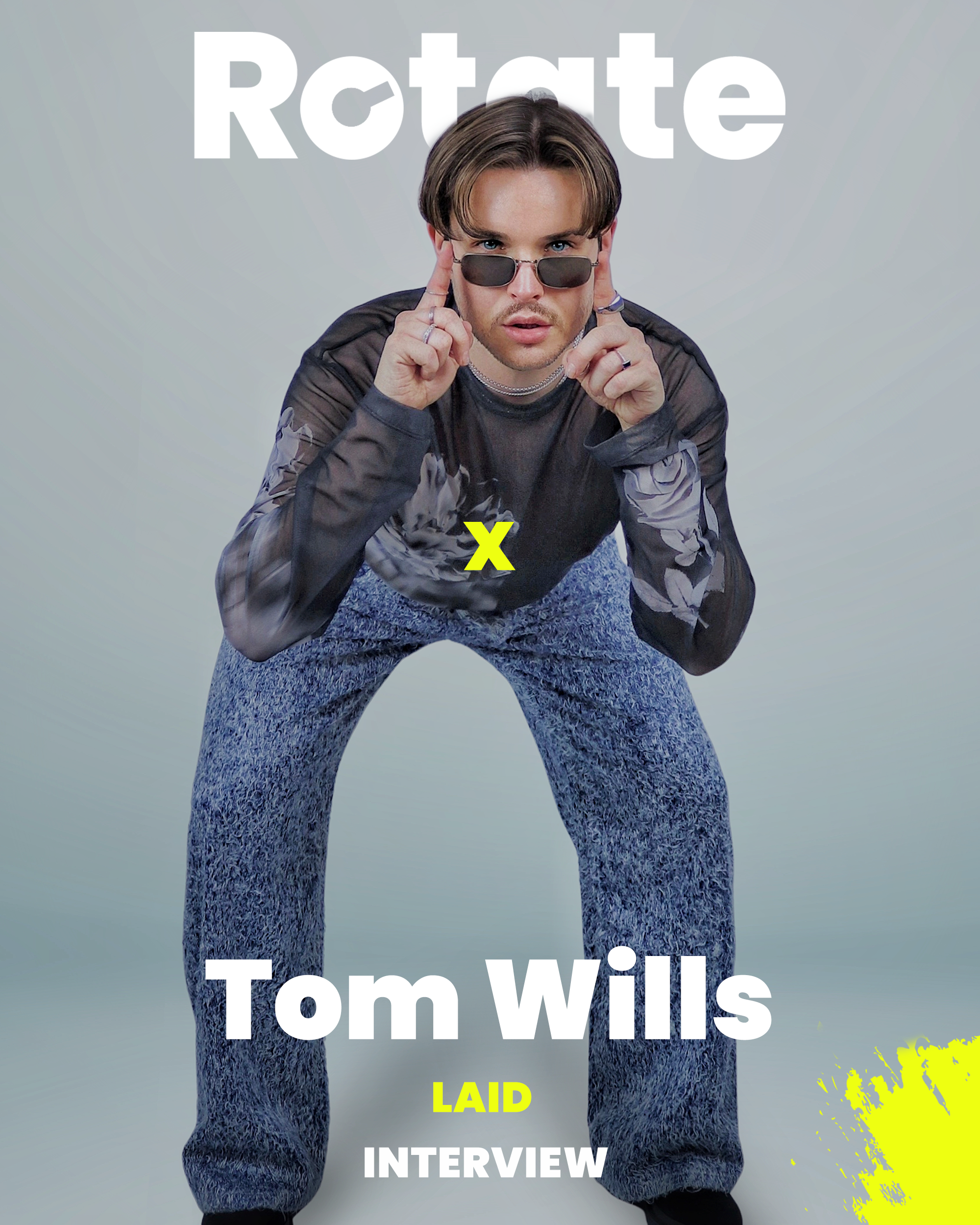
Congrats on your new release. First of all, who is Tom Wills?
Well, thank you very much.
I’m a singer from Manchester, originally from Chorley in Lancashire, but I’ve been based in Manchester for many years now. I live here with my partner of 10 years, Matt, and our rescue Rottweiler Rex. He’s an old, grumpy, lovable teddy bear, very misunderstood and full of anxiety, a bit like all of us.
I’ve been obsessed with music and performing since I was a kid. I started gigging at 14, doing open mics in pubs around Lancashire, proper terrified but loving it. When I was 16, I snuck into Canal Street with a dodgy fake ID, absolutely bricking it. But the second I hit that dancefloor, everything made sense. The music, the people, the freedom to just be yourself without having to explain or apologise. That’s still what I’m trying to capture in my music.
I make melodic house and dance-pop, but really I’m just trying to make music that hits you in the chest on a dancefloor at 2 am. Music for people who get it.
⸻
“Laid” is such a beloved indie classic. What made you want to reimagine it as a dance-pop anthem?
I saw James perform “Laid” at Lytham Festival a few years ago with my dad, and something about it just clicked. The song is chaotic, messy, obsessive, everything great pop music should be. But it also felt ahead of its time.
It already felt like it needed to be on a dancefloor again. So we wanted to take that raw energy and bring it into 2026 in our own way.
⸻
Your version seems to amplify the queer energy already present in the original. Was that a conscious creative decision?
Absolutely. The original has always had that energy in it. It’s not something we added.
I didn’t want to change it or sanitise it, I just wanted to amplify what was already there and bring it into now. It felt like it needed to live on dancefloors again.
⸻
How did you and Sholz-Y approach updating the song while still respecting what made it iconic?
We knew straight away we couldn’t just slap a house beat on it and call it done.
The original is messy and imperfect and that’s exactly why it works. So we kept that push and pull, that tension, but translated it into our world sonically.
We wanted it to feel like a 2am dancefloor moment where you’re kind of losing yourself in it but still fully feeling it.
We went through loads of versions before we landed on it.
⸻
What inspired the production direction for this version?
I’m really into melodic house at the minute, Fred Again, Anyma, Vintage Culture, that emotional euphoric sound.
But I’ve also got loads of 80s influence in me. Erasure, Pet Shop Boys, that big synth-pop energy. I grew up on that.
So it ended up being a mix of both. Nostalgic but still made for now. Big and euphoric but still emotional.
⸻
What was the biggest challenge in transforming it into a dancefloor record?
Not losing what made it special in the first place.
The intro, the drums, that chaos, that’s the song really. So it was about building around that without polishing it away.
It’s a fine line between paying homage and overworking it.
⸻
Did “Mid-Night Moves” change anything for you?
Yeah, it gave me a bit more belief in what I’m doing, honestly.
When you’re starting out you doubt everything, like everything. So when that started landing, it just made me think, alright, people actually do get this.
⸻
How has that success changed things?
It’s opened doors, definitely. Radio, DJs, press, Pride bookings, all of that.
But more than anything it just gives you a bit of visibility, which is everything when you’re trying to break through.
⸻
You grew up surrounded by Manchester LGBTQ+ club culture. How has that shaped you?
Completely.
First time I went into Canal Street I was 16 and absolutely terrified. Fake ID, heart racing, the lot.
But the second I was on that dancefloor it just made sense. That feeling of freedom, of not having to explain yourself, that’s stayed with me.
⸻
What do you remember from your first gigs at 14?
Mostly how scared I was.
Doing open mics in Lancashire pubs, just me and my voice and hoping I didn’t mess it up.
I didn’t think it was a career at all back then. It was just something I loved.
Someone once saw me and booked me to sing at their wedding, which was mad. But it taught me how to actually connect with a room.
⸻
What does it mean to create music for queer audiences?
It means everything, honestly.
I am queer, I am proud, and I’m open about it.
The music comes from real life, my friends, my community, my experiences.
When people connect with it at shows, that’s the point.
⸻
Do Pride crowds respond differently?
There’s definitely a shared understanding in the room.
Music is universal, everyone can connect to it. But at Pride there’s just an extra layer to it.
When certain lyrics land, you feel it instantly in the crowd.
⸻
Was there a moment you realised “Laid” was working?
Yeah, when we did the final vocal take and played it back.
Everything just clicked. That’s always the moment you’re chasing.
⸻
Who are your influences?
Kylie and Cher, pure gay icons. Constant reinvention, always moving.
Years & Years showed me you can be openly queer and still make euphoric pop music that matters.
Robyn, David Guetta, Fred Again all influence me in different ways.
But honestly, my biggest influence is still the dancefloor.
⸻
Any dream collaborations?
Kylie, obviously. Fred Again would be incredible. MNEK too.
And more queer artists in the melodic house space, definitely.
⸻
Any Manchester tracks you’d love to rework?
New Order or The Smiths would be amazing. There’s so much emotion there.
But I also don’t want to just be known for covers. I want to build my own catalogue too.
⸻
What’s next for 2026?
“Lost in the Noise” is coming in July, which is a bit more personal, about overwhelm, mental health, and trying to find your way through it.
Then more releases, more shows, Pride, club nights, and hopefully festivals too.
Just keep building it, really.
⸻
Message to fans and readers?
Thank you for listening, for showing up, for sharing it.
If you’re feeling lost or figuring things out, you’re not on your own.
That’s really what all of this is about.
The dancefloor’s always there.
⸻
Tom Wills transforms James’ iconic ‘Laid’ into a euphoric dancefloor anthem, blending nostalgic indie energy with shimmering house production and unapologetic queer expression.