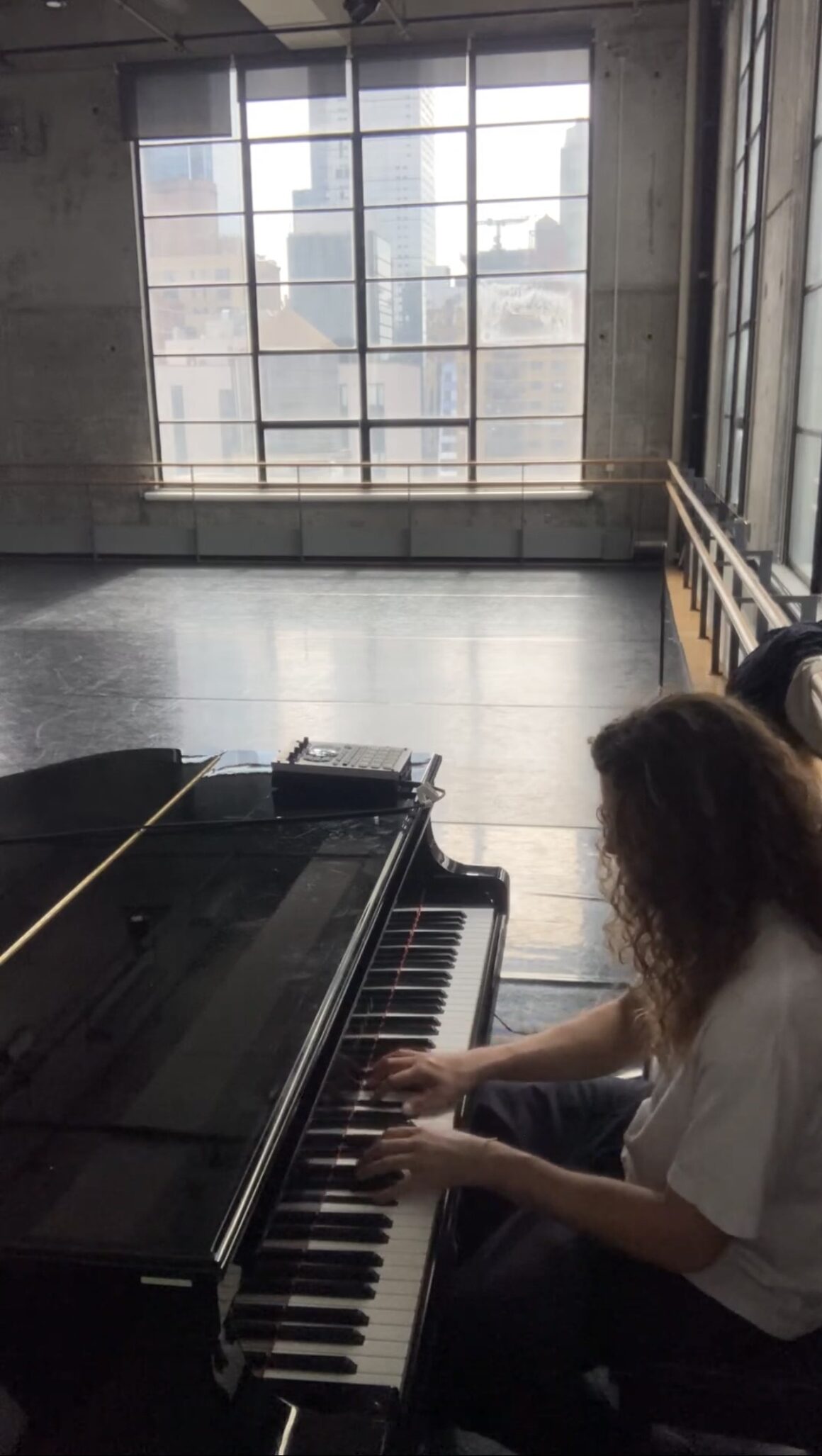


German solo artist Chris Maragoth releases “No Escape (Transitus)” presenting a restrained and introspective reimagining of a composition. Rooted in cinematic gothic and symphonic influences, the instrumental single explores the delicate space between tension and acceptance, offering a listening experience shaped by atmosphere, subtle movement, and emotional depth rather than dramatic intensity.
With “No Escape (Transitus)” Maragoth takes more understated approach to his established musical identity. Instead of relying on vocals or an elaborate arrangement to communicate its message, the composition allows its instrumentation to carry the emotional weight. Piano, string arrangements, and subtle textures from a historical acoustic guitar form the foundation of the track, creating a reflective soundscape that gradually draws listeners into its atmosphere. Viola performer Sanya Smileska, who also contributed to Maragoth’s previous EP, Depths of Despair, added another layer of expressive depth to the composition.
The title’s Latin subtitle “Transitus” translates to “crossing” or “passage” provided an important perspective on the single’s central concept. Rather than offering a literal explanation of its meaning, the music leaves room for individual interpretation. It suggests a threshold between two states of being, where stillness gives way to movement and resistance begins to make room for acceptance. The sense of this transition becomes the composition’s defining characteristic, allowing the listener to experience the music as a journey without requiring a clearly defined beginning, climax, or resolution.
One of the most distinctive aspects of “No Escape (Transitus)” is its deliberate restraint. Although Maragoth draws from the Gothic and Symphonic traditions that have helped establish his artistic identity, he reduces the arrangement to its essential emotional elements. The absence of vocals further emphasizes the instrumental details, giving the piano, strings, and acoustic textures greater space to communicate. Rather than directing the listener toward a single interpretation, the composition creates an atmosphere in which tension and contemplation can coexist.
The approach shapes the single’s potential impact on its audience. For listeners drawn to cinematic instrumentals, atmospheric Gothic music, and compositions that prioritize mood over conventional song structures, “No Escape (Transitus)” offers an opportunity to engage with music on a more personal level. Its restrained character makes it well suited to moments of reflection, quiet concentration, or simply stepping away from the noise of everyday life. The track does not depend on an immediate dramatic payoff; instead, its appeal lies in the gradual emotional experience it creates and the space it leaves for listeners to bring their own feelings and interpretations to the music.
The release’s visual presentation reinforces this artistic direction. Unlike a traditional single campaign built around a full-length music video. The fragmentary visual approach avoids imposing a fixed storyline on the composition. Instead, it allows atmosphere, suggestion, and carefully selected imagery to complement the music without explaining every aspect of its meaning. The result is a presentation that remains consistent with the track’s emphasis on ambiguity and transition.
Beyond the composition itself, the single reflects Maragoth’s commitment to a deliberate and independent creative process. The artist continues to abstain entirely from using artificial intelligence in the creation of his music, artwork, and visual materials. Every element is written, arranged, recorded, and produced by human hands, underscoring his emphasis on craftsmanship, authenticity, and personal artistic expression. In a musical landscape increasingly shaped by emerging technologies and rapidly evolving production methods, this commitment distinguishes his approach and reinforces the importance he places on the human contribution behind each release.
Maragoth’s previous work, including the EP Depths of Despair, provides context for understanding the emotional and stylistic direction of “No Escape (Transitus).” The involvement of Sanya Smileska once again establishes a connection with that previous project, while the single demonstrates how an established musical idea can be revisited through a more minimal and contemplative perspective. Rather than simply repeating familiar Gothic and Symphonic elements, Maragoth uses them to explore a different relationship between sound, silence, and emotional expression.
With “No Escape (Transitus),” Maragoth offers a thoughtful addition to his catalogue, one that finds its strength in subtlety rather than spectacle. The single invites listeners to consider the moments when change becomes unavoidable and the only remaining question is how to move through it. Through its piano-led passages, expressive strings, atmospheric textures, and carefully controlled arrangement, the composition transforms the idea of crossing a threshold into a quiet musical experience.
Ultimately, “No Escape (Transitus)” is less concerned with providing answers than with capturing the feeling of being between destinations. Its restrained production, instrumental focus, and open-ended emotional character establish it as a release for listeners who appreciate music that leaves a lasting impression through atmosphere and nuance.