
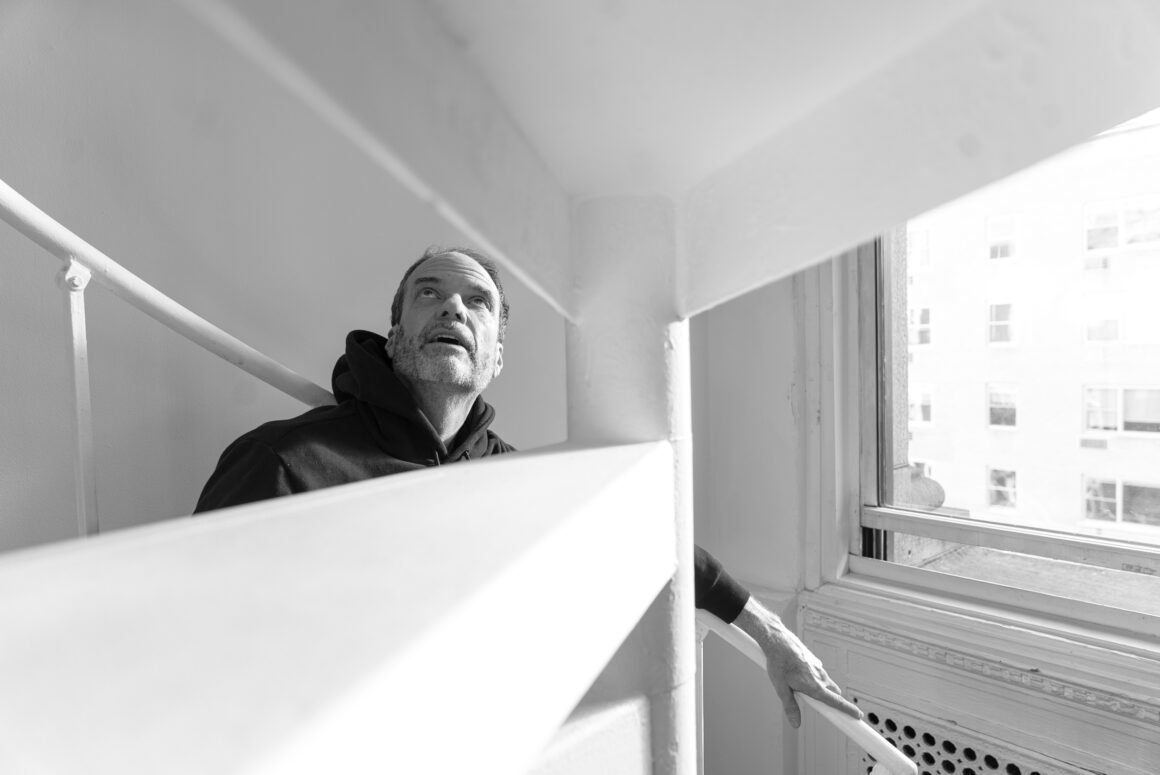
After more than a decade away from releasing new music, Block has returned with Love Crash, a deeply personal album that marks both a creative rebirth and a testament to resilience. The New York anti-folk pioneer has spent the past year reconnecting with longtime fans while introducing his music to an entirely new generation, earning praise from publications like SPIN and Rolling Stone, editorial support from Apple Music, and embarking on a U.S. tour that has firmly placed him back in the spotlight.
On Love Crash, Block transforms heartbreak, grief, and self-discovery into ten songs that are as vulnerable as they are hopeful. Produced by Chris Kuffner and mixed and mastered by Blake Morgan, the album captures an artist unafraid to confront life’s darkest moments while still finding room for humor, curiosity, and joy.
In this conversation, Block reflects on the emotional journey behind Love Crash, the healing power of songwriting, the challenge of performing such deeply personal material, and why creative curiosity continues to fuel him decades into his career.
For readers discovering you for the first time, Who is Block ?
Block: Ha! If I knew the answer to that question, the big question we all have to ask ourselves, then I probably wouldn’t be a writer… Who am I? A songwriter, a father, a friend, a boyfriend, a lover of New York City, lover of hot long summer days, A Mets fan, a sober man, a kernel of consciousness way down deep in my soul that is having a human experience.
Congratulations on Love Crash. This is your first album of new material in 13 years. What emotions did you experience when you finally realized the record was ready to be shared with the world?
Block: There’s a great sense of relief and satisfaction when the album is finally mastered. We worked really hard on this one, we were very methodical, so I was very excited as we prepared to share it with everyone.
The title Love Crash immediately suggests both beauty and devastation. What does the title represent to you, and how does it capture the spirit of the album?
Block: The songs came out of a period of pretty intense emotional distress. It felt like I was just hanging on. A part of me knew I could potentially access some very deep attachment trauma and I didn’t want all the feelings to go to waste. In fact, the title came to the person I was dating at the time in a dream. She had dreamed that I was at a book signing, and the title of the book was Love Crash! Perfect!

You described writing these songs as climbing “the rung of a ladder” out of a dark place. Looking back now, how transformative was the songwriting process for your own healing?
Block: There’s two parts to the brain, the conscious and the unconscious. The songs were delivered to me from my unconscious brain initially, but only a snippet of music and a verse or two. With the exception of the song Firefly and Song To Jamie, which pretty much came fully formed. The process of finishing the second half of the songs using my conscious mind is always the hardest part. The conscious mind is judgmental. The conscious mind is egoic. The conscious mind can be derivative. The hard work is finishing a song.
Heartbreak and loss run throughout the album, but so do humor and hope. Was it important for you to balance those emotions rather than make a purely melancholic record?
Block: I just think that’s who I am. Life is full of contradictions and strange pairs of emotions. That’s what makes it interesting. Anyone can write about how miserable they are. But that’s pretty boring.
Chris Kuffner produced the album while Blake Morgan handled the mixing and mastering. What did each of them bring to the project that helped shape its final sound?
Block: Chris was the wild chef who turned the kitchen upside down. Ingredients were flying everywhere. By the time Blake entered the kitchen all the cupboards and drawers were open, and the pots and pans were all full in a sense. He cleaned up the kitchen and found the 10-course meal that Chris and I had made. I’m very grateful to both of them.
You’re currently touring while releasing Love Crash. How does performing these deeply personal songs live compare to writing them in solitude?
Block: It’s a real trip. These songs are so personal. My live shows have changed a lot in order to incorporate these open diary kind of songs. More vulnerable I think. And much more fun for me at least.
Is there one song on Love Crash that feels especially personal or difficult to perform because of the memories attached to it?
Block: Firefly always gets me. Because it’s a song about my brother and other beautiful people I’ve lost over the years to the disease of addiction.
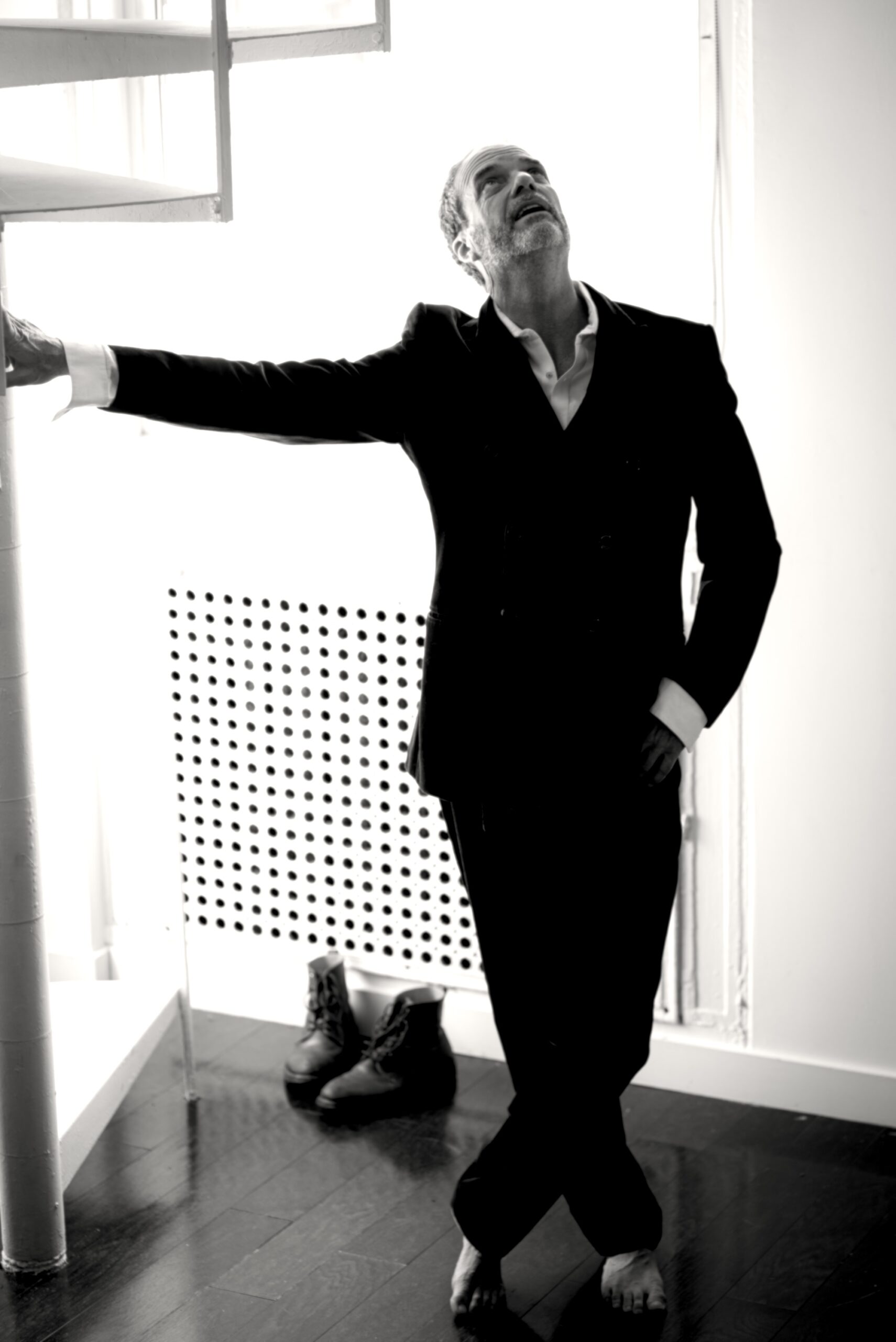
Throughout your career you’ve never been afraid to challenge convention. What keeps you creatively curious after all these years?
Block: I don’t think curiosity should wane just because somebody is a little older. For me, it’s the opposite. The longer I live the more I realize I’ll never know! There’s no more “I’ll read that book some day when I get a chance.” I’m old enough now to know the truth. When I say something like that, it means I’ll probably never read it. So my days are spent trying to pack into the stream of life all that is curious to me. That’s just something about the way I’m wired I suppose.
If listeners could take away just one feeling or message after hearing Love Crash from beginning to end, what would you hope it would be?
Block: Oh, I don’t know. I avoid thinking about an audience’s reaction. Not because I don’t care, but because the work is created essentially for myself. Whatever happens outside of that is out of my hands.
Finally, after such an extraordinary comeback, what’s next for Block? Are there new creative directions or projects you’re already excited to explore beyond this album?
Block: We’re in the middle of promoting Love Crash. We just released an art installation on Spotify of 10 mini movies. There’ll be a new video and more touring. And I’ve been writing. So a new album is in the offing.