
What if music could do more than reach the listener’s ears, what if it could shape how we experience physical matter? Portuguese artist Miguel Serôdio approaches that idea through “Shoreless River” a neoclassical piano composition that sits at the centre of his wider artistic practice, connecting sound, sculpture and his exploration of the unseen.
For Serôdio, music is not simply an independent art form. It serves as a means of transmitting ideas and energy, forming a connection between his piano compositions and his sculptural works, which he calls Éter Architecture. His artistic philosophy centres on the relationship between sound and material, with clay sculptures conceived as vessels that receive and embody what his music communicates.
“Shoreless River” represents that connection between the audible and the tangible. Serôdio describes his compositions as signals that his clay sculptures are built to receive, placing the piano at the centre of a process that links musical expression with physical form.
Within that concept, the recording becomes more than an accompaniment to his visual work; it forms an essential part of the artistic statement itself.
His approach draws on neoclassical piano and spiritual ideas, combining musical composition with a personal exploration of energy, perception and synesthesia. Rather than separating his work into distinct creative disciplines, Serôdio treats sound, sculpture and visual presentation as interconnected elements of one artistic vision.
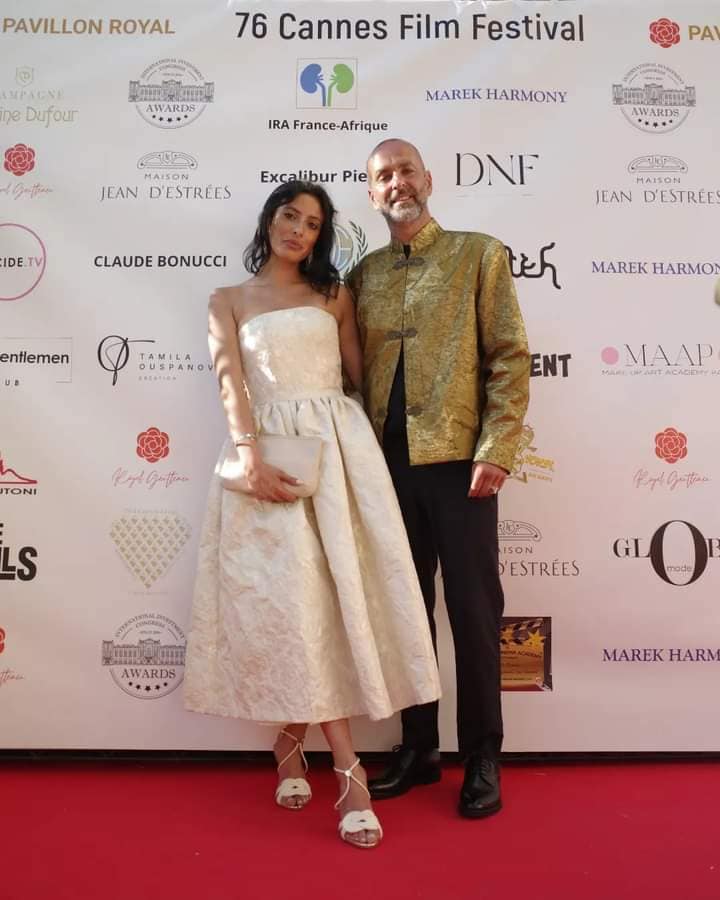
He performed at Fundação Oriente in Lisbon, presenting his approach to neoclassical piano within an established cultural setting. He also composed “Lux Sit” for the short film Lost in 24, a US production by producer May Liu that was presented during Cannes Film Festival week.
These experiences provides context for “Shoreless River” which reflects Serôdio’s continued interest in the relationship between music and other forms of artistic expression. His work places particular importance on the physical qualities of clay and the expressive possibilities of the piano, using both to investigate how an idea might move from sound into material form.
Ultimately, “Shoreless River” offers an insight into Miguel Serôdio’s artistic identity, where composition and sculpture operate as parts of a shared creative language. Through that connection, he invites listeners to consider music not only as something to hear, but also as a form of expression that can influence how we perceive the world around us.