


Austin-based electronic artist Tawny Graf is stepping into her boldest chapter yet with the release of her debut album Autonomy. This deeply personal project blends cinematic electronic textures, dark pop, experimental club energy, and striking visual storytelling. Entirely written, performed, and recorded by Graf herself, the album explores identity, self-definition, vulnerability, and the complicated journey of reclaiming control over one’s voice and future.
Built from years of introspection and emotional excavation, Autonomy is more than a collection of songs. It is the foundation of an immersive artistic world shaped through sound, movement, performance, and atmosphere. Influenced by boundary-pushing icons like Björk, Grace Jones, David Bowie, and Janet Jackson, Graf approaches music as a fully connected experience where visuals, styling, production, and emotion exist as one.
In this interview, Tawny Graf opens up about the emotional weight behind songs like “FIX,” the freedom and pressure of creating the album independently, the inspirations behind her evolving sonic universe, and why Autonomy represents not just independence, but becoming the authority over your own identity.
Congrats on your debut album, Autonomy. First of all, who is Tawny Graf?
TG: Tawny Graf is an electronic artist, producer, vocalist, and performer based in Austin, Texas. I make music that lives between cinematic electronic music, dark pop, experimental club energy, and performance art. The project is very physical and visual for me. It is about voice, movement, tension, beauty, control, and self-possession. With Autonomy, I’m introducing a world that feels emotionally direct, sonically charged, and completely my own.
The title Autonomy suggests independence and self-definition. What inspired that title, and how does it connect to the themes explored throughout the album?
TG: The title Autonomy came from the idea of self-definition as a process, not a destination. The album explores what it means to separate your own voice from outside noise, old patterns, expectations, relationships, and versions of yourself that no longer fit. Songs like “Conduit,” “Tulsi,” and “Get Up Slow” all approach that theme from different angles: power moving through the body, healing and transformation, and the decision to rise back into yourself on your own terms. There is a lot of tension in the record: freedom and control, vulnerability and strength, connection and self-protection. Autonomy felt like the word that could hold all of that. To me, it is not just about independence. It is about becoming the authority over your own life, body, voice, and future.
Were there any particular artists, films, environments, or personal experiences that influenced the preparation of Autonomy?
TG: Yes. I was influenced by artists who create complete worlds around their work: Björk, Michael Jackson, Nine Inch Nails, Janet Jackson, David Bowie, Grace Jones, Annie Lennox, and Imogen Heap. I’m interested in artists where the voice, production, visuals, styling, and performance all feel connected. I was also influenced by club spaces, especially underground rooms where music becomes physical and communal. Personally, Autonomy came from a period of self-definition: learning what belongs to me, what does not, and how to turn that into sound, image, movement, and performance.
Identity, control, and external expectations seem to sit at the heart of the project. How did confronting those ideas influence your songwriting process?
TG: Confronting those ideas made the writing more direct. I was interested in what it actually takes to become self-possessed, not just the polished version of confidence, but the pressure, doubt, discipline, and resistance underneath it. A lot of the songwriting lives in that tension between control and release, softness and force, intimacy and distance. Lyrically, I kept returning to the question of who gets to define you, and what it means to take yourself seriously enough to stop negotiating your own identity.
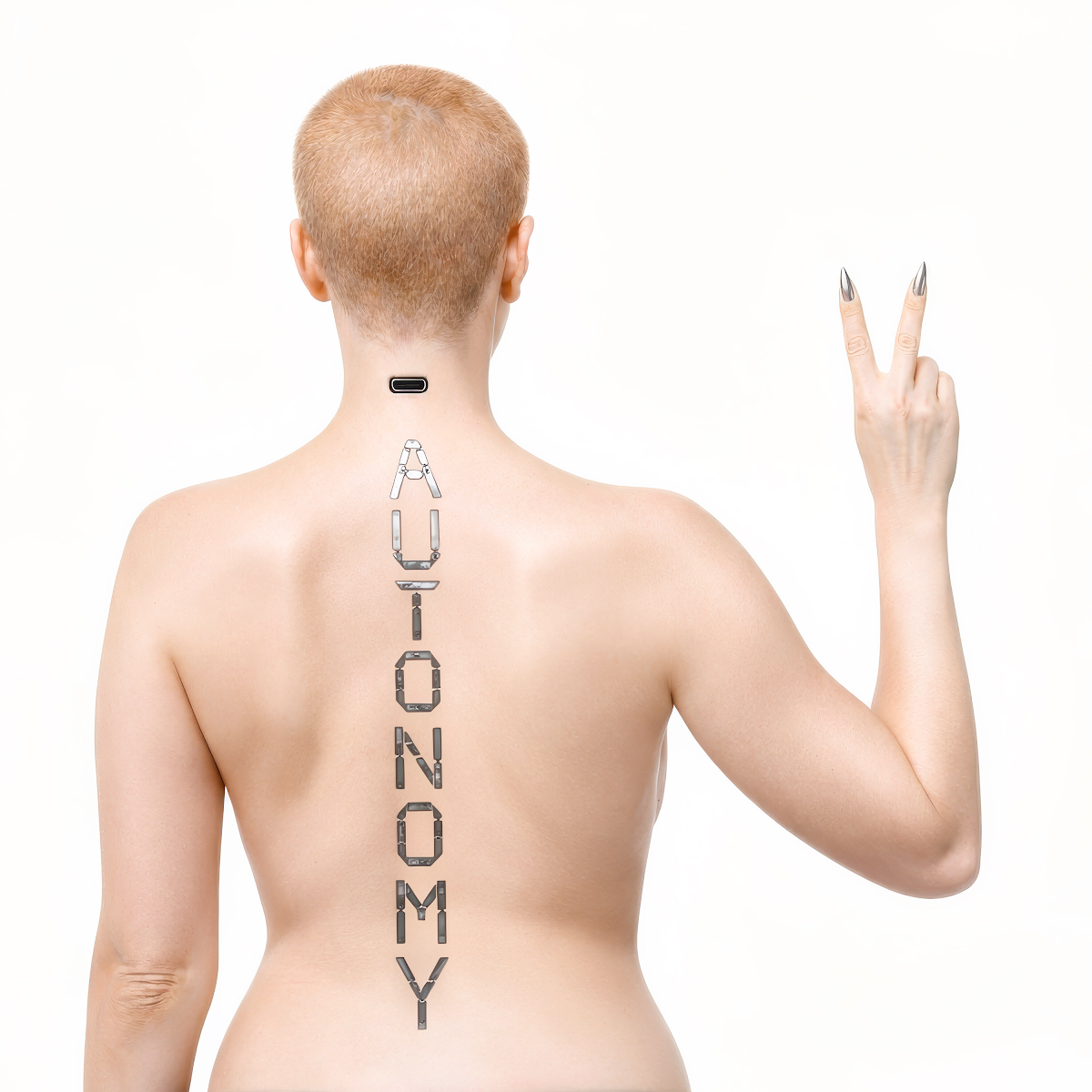
You wrote, performed, and recorded the entire album yourself. What was the most challenging and rewarding part of taking such a hands-on approach?
TG: The most challenging part was that there was nowhere to hide. Writing, performing, and recording the album myself meant I had to be responsible for every decision, every limitation, and every breakthrough. It can be difficult to stay objective when the work is that personal.
The most rewarding part was that the record became unmistakably mine. I could follow an instinct all the way through without having to explain it too early or dilute it before I understood what it wanted to become. In that sense, Autonomy was not just the title. It was the process.
There’s a strong sense of emotional honesty in your music. How important is vulnerability to you as an artist?
TG: Vulnerability is essential. It is what we connect to in all of the greats. No matter how polished, powerful, strange, or larger than life an artist becomes, there has to be something human underneath it. For me, vulnerability does not mean giving everything away. It means letting the truth stay present inside the work. Autonomy has a lot of strength in it, but that strength only matters because there is something real underneath it. Vulnerability gives the music its pulse.
Was there a particular song on Autonomy that was the most emotionally difficult to write or record? What made it so challenging?
TG: “FIX” was the most emotionally difficult song to write and record. It does not fit into any clean sonic mold on the album, which makes it feel especially exposed. The track is loaded with layered vocals and chords I played while sobbing, so the emotion is embedded in the recording itself.
After that, I had to get myself together and deliver the main vocal with enough control to carry the song. It came from a last-resort place: trying to put a boundary around dysfunction, emotional labor, and unreasonable gendered expectations. It was challenging because I was not writing about something from a distance. I was still inside it.
Which track on the album came together the fastest, and which one took the longest to fully realise?
TG: “SOFIA” came together the fastest. I made it in two days, and it felt like it just wanted to be born. Some songs require a lot of excavation, but that one arrived with its own momentum. I did not have to overthink it. I just had to follow it.
“FIX” took the longest to fully realize because it did not fit into any obvious sonic mold. It was emotionally difficult, vocally dense, and harder to shape objectively because I was so close to the material. The challenge was keeping the emotional truth intact while still making it feel finished.
Which song are you most excited for listeners to experience for the first time, and why?
TG: “Get Up Slow” is the one I’m especially excited for people to experience. It’s a dance track, but the character of it is very deliberate. I studied Marilyn Monroe, Sade and Prince while shaping the vocal delivery, not to imitate them, but to understand presence, character, sensuality, restraint, and command. I wanted the performance to feel controlled and magnetic, like the vocal is inviting you in without chasing you.
The beat has a unique pulse that makes it move in its own way. It’s physical, stylish, and a little unexpected. That contrast is what I love about it: it has the energy of a dance song, but the attitude of someone who knows they don’t have to rush.
Your music often explores self-definition and reclaiming identity. Do you hope listeners see parts of their own experiences reflected in these songs?
TG: Yes, absolutely. Even though Autonomy comes from my own experience, I do hope people can recognize something of themselves in it. Self-definition is personal, but it is also universal. Most people know what it feels like to be shaped by expectation, to outgrow a version of themselves, or to have to fight for the right to name their own experience.
I do not think listeners need to know the exact story behind every song to connect with it. Sometimes the more specific the emotion is, the more widely it can resonate. My hope is that people hear something in the record that makes them feel more connected to themselves, especially the parts they may have had to suppress, protect, or reclaim.
Austin has a rich and diverse music culture. Has being based there influenced your artistic perspective or creative process in any way?
TG: Yes. Austin has influenced the way I think about independence and creative identity. It is a city with a lot of musical history, but it also has a scrappy, self-made energy that I relate to. Being based here has reminded me that you do not have to wait for a traditional industry structure to start building your own world. Austin is also a live-music city, so performance matters here. That has shaped the way I think about Autonomy: not only as a record, but as something that needs to exist physically through voice, visuals, styling, atmosphere, and connection with an audience.
What’s next for you, more singles, shows, or tours we should look out for?
TG: Right now, the focus is the live premiere of Autonomy at The Pershing in Austin. I’m building the show as a complete presentation of the album, with sound, visuals, styling, and performance all working together. From there, I’m interested in selective performances in private, elevated, and highly considered environments. I’m not trying to chase a traditional road schedule. I’m more interested in creating rare, memorable moments in the right rooms, with the right audience, where the project can be experienced with intention.
Any dream collab?
TG: Above & Beyond would be a dream collaboration. They understand emotion at scale, and their music has this rare ability to feel euphoric, vulnerable, and communal without losing elegance. I would love to bring my vocal world into something that expansive, especially because their work has such a strong relationship with melody, atmosphere, and release. It would be a beautiful place for my voice to live.
Message to Fans and Readers?
TG: Thank you for listening and for giving this first chapter your attention. Autonomy is for anyone who has had to fight their way back to themselves. It is for the parts of us that were controlled, dismissed, underestimated, or misunderstood, and the moment we decide they no longer get the final word. I hope this record makes people feel stronger, freer, and less willing to abandon themselves.
Tawny Graf transforms vulnerability, tension, and self-definition into a striking debut that feels both cinematic and deeply human
Listen on all platforms here
Tawny Graf on Instagram // Apple Music