
Dutch singer-songwriter, producer, and multi-instrumentalist Harry Kappen has never been one to shy away from turning life’s biggest moments into meaningful music. His latest single, “Distant Shore,” is a poignant reflection on displacement, compassion, and the resilience of those forced to leave everything behind in search of safety. Inspired by the stories of refugees and shaped by his own experience of relocating from the Netherlands to Mexico, the song serves as one of the emotional centerpieces of his new album, After the Crossing.
Written, performed, and produced entirely by Kappen, After the Crossing chronicles a transformative chapter in his life, exploring themes of change, identity, hope, and new beginnings. Beyond his career as a musician, Kappen has also spent more than two decades as a music therapist and educator, bringing a rare depth of empathy and reflection to his songwriting. With five albums released since the pandemic and new live shows already on the horizon, he continues to evolve creatively while staying true to the heartfelt storytelling that defines his work.
In this interview, Harry Kappen opens up about the inspiration behind “Distant Shore,” the personal journey that shaped After the Crossing, the lasting influence of David Bowie, balancing music with therapy, his creative momentum, and what’s next as he prepares for a new chapter with his band in Mexico.
For readers discovering you for the first time, who is Harry Kappen?
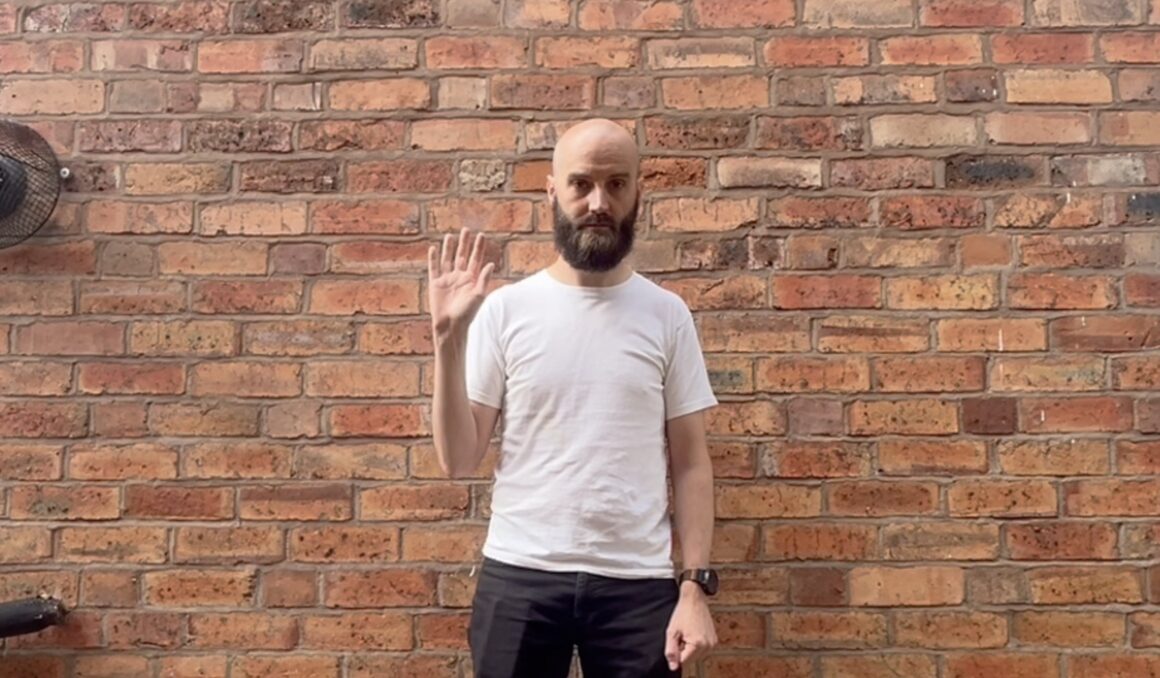
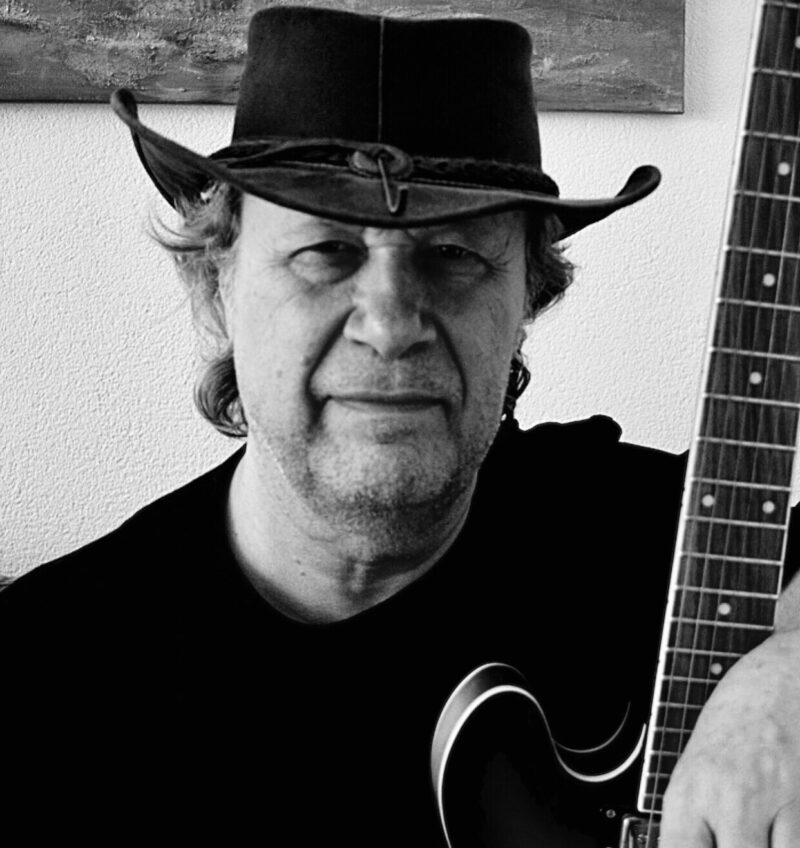
HK.: I am a Dutch national who recently moved to Mexico. I have played the guitar and composed my own music since I was young. I played in numerous bands—mostly rock bands—while living in Groningen, a city in the north of the Netherlands. I created music for radio and television, and later studied music therapy, becoming a therapist in youth care. I also taught in an international master’s program for music therapy in Rotterdam.
Congratulations on the release of your new single “Distant Shore.” What was the moment or feeling that first inspired you to write this song?
HK.: That was when I realized that my voluntary move from the Netherlands to Mexico stood in stark contrast to the often forced flight from their home countries undertaken by the refugees we see so frequently in the news—people driven out by war and hunger, seeking a better future for their children. That takes courage, and I admire it.
The setbacks I faced during my move—often due to bureaucracy— paled in comparison to their harrowing stories of rickety boats, trucks packed with people, and victimization by those out for financial gain. I was warmly welcomed in Mexico, whereas they are often met with skepticism, reduced to a mere number, and left waiting to see if they will ever be able to participate in society again.
The song carries themes of displacement, survival, courage, and hope. What do you hope listeners take away from “Distant Shore” after hearing it?
HK.: Well, at the very least, people should take a moment to reflect on what these refugees had to endure before arriving in your country. Try putting yourself in their shoes; perhaps they would then be treated with a bit more humanity.
Can you tell us something brief about your Album “After the Crossing”
HK.: “After the Crossing” is tied together by a common thread: my move from the Netherlands to Mexico—literally crossing the Atlantic Ocean. All the songs relate to this, whether directly or indirectly. For instance, ‘No Delays’ is about the moment I decided to leave the past behind and choose a new future. ‘Distant Shore’ speaks for itself. ‘Take a Step’ is also about change. And ‘Good Samaritans’ (the next single—a scoop!) is about what truly matters in life: selflessly helping those around you, and so on.
David Bowie is one of your musical heroes. What lessons or creative qualities from Bowie have influenced your own approach to making music?
HK.: To me, Bowie represents change and the ability to adapt to new circumstances. I don’t think he succeeded every single time, but he did in most cases, and that is something I greatly admire about him. I am a fan of the music from his early period—such as ‘Changes’ and ‘Life on Mars’—but certainly also of his final era, with tracks like ‘Blackstar’ and ‘Where Are We Now?’.
The album features ten songs that are deeply personal to you. How did you decide which stories and emotions belonged on this Project?
HK.: It was a natural process. I always write from the perspective of the present moment. I observe the world around me and try to capture that in a song. It could be anything—items from the news, technological trends, political events, or even things happening close to home. A move to a new country and culture naturally becomes a compelling subject. It didn’t take much effort to gather the songs related to that experience.
You have a unique background that combines years as a musician with your work as a music therapist. How has your experience helping others influenced the way you write and connect emotionally through music?
HK.: Musically speaking, it has had little influence. In terms of lyrics, perhaps a bit more; personal experience and reflection are central to therapy. I have become more adept at this over the years. As a result, I am better able to express myself artistically regarding the things happening around me.
After decades of performing, recording, and creating music, what continues to inspire you to tell new stories through songwriting?
HK.: As long as I live, the world around me—and I myself, of course —keeps changing; new situations and insights emerge that could inspire songs. Since my youth, I have written hundreds of songs/ musical ideas that are still sitting on the shelf and deserve to be finished. I am writing new lyrics for them and bringing them up to date. And the composing process isn’t stopping anytime soon, either. This is my fifth album since the start of Covid, four of which are available on Spotify and other streaming services. I am already working on next year’s album, which I am very excited about; in my view, it is shaping up to be my best one yet.
Any Dream Collab?
HK.: Well, I could dream up all sorts of ideas about who I’d like to work with, but I don’t think there’s much point in that. It will happen when the time is right. My current collaboration with new Mexican musicians is a reality, and I’m really enjoying it.
With “After the Crossing” being your fifth album since Covid, you’ve clearly been in a very creative period. What has this chapter of your career taught you about yourself as an artist?
HK.: Being able to simply do my own thing—without stress, deadlines, or a lack of possibilities. Things always work out in the end. I have my own studio that I can use day or night, whenever I want. Beyond that, I have a desire to make everything as good and beautiful as possible, and I make sure to take the time to do so.
What’s Next for Harry Kappen? Any Tour, Concerts, or Project?
HK.: I have recently had the pleasure of collaborating with four highly talented and driven musicians here in Mexico City. We are currently rehearsing my repertoire, with the aim of performing it— naturally—this autumn. There are also plans for a tour in the spring, possibly even in Europe, which is something I am really looking forward to. But that is looking quite far ahead. I am also working on my new album. It will feature 12 new songs; the music is ready, and the lyric-writing phase is now underway. I don’t yet know if a common thread will emerge in the material—time will tell. You can follow updates on my website: www.harrykappen.com
Finally, do you have a message for your fans and our readers?
HK.: Be kind to each other 🙂