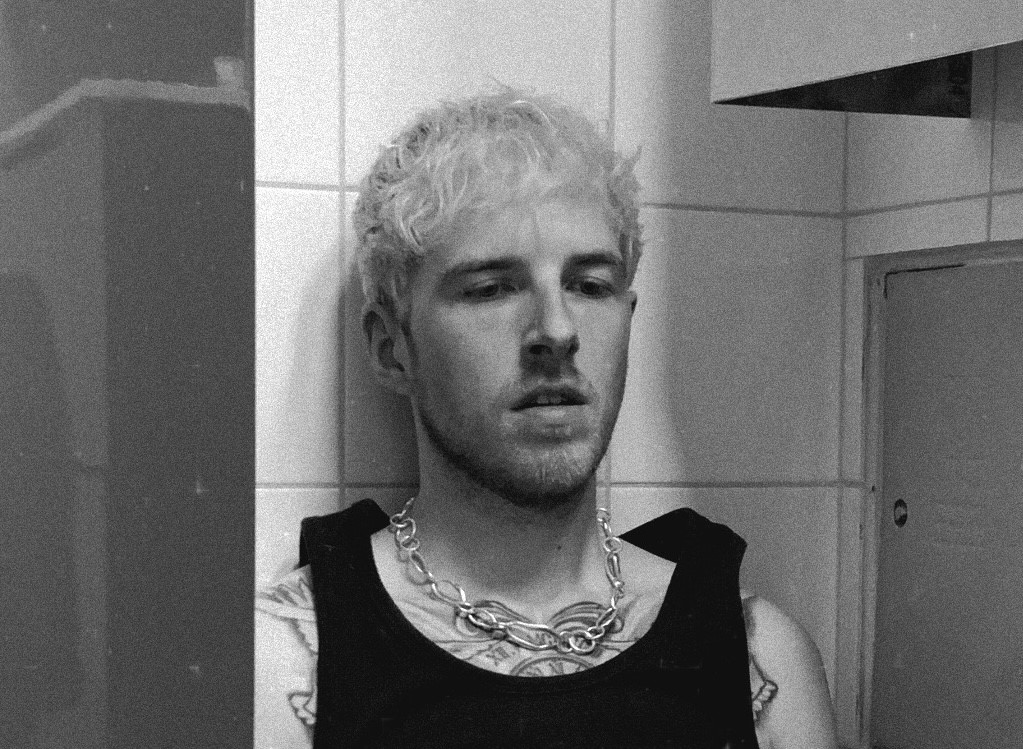


There is a rare elegance in the way Rudi Burke approaches songwriting, and “Red, dead Ladybugs” exemplifies that quality beautifully. Inspired by a moment of unexpected reflection on a winter morning, the song turns a small encounter with nature into a profound meditation on existence. Rather than seeking grand statements, Burke finds significance in subtle details, allowing the song’s emotional power to emerge naturally.
The musical landscape is rich in atmosphere while remaining refreshingly uncluttered. Acoustic guitars provide warmth and intimacy, supported by gentle indie-folk textures and traces of alternative-rock energy. The arrangement evolves patiently, creating a sense of movement that mirrors the song’s reflective journey. Every musical choice feels purposeful, contributing to an overall feeling of quiet depth.
Burke’s songwriting stands out for its emotional intelligence. The lyrics contemplate themes of time, love, mortality, and meaning with remarkable sensitivity. There is an understated literary quality to the writing, one that trusts the audience to engage with its ideas rather than spelling everything out. This openness gives the song a lasting resonance and encourages repeated listens.
Vocally, Burke delivers one of his most affecting performances to date. His voice possesses a rugged sincerity that suits the material perfectly, communicating vulnerability without sacrificing strength. The emotional honesty at the heart of his performance recalls respected figures within the singer-songwriter tradition while retaining a character entirely his own.
Listeners may hear echoes of influences ranging from Jim Croce and Robert Earl Keen to Jason Isbell and Dave Hause, yet Burke’s artistic identity remains clearly defined. His work occupies a distinctive space between folk intimacy and rock energy, combining melodic accessibility with thoughtful craftsmanship. Thomas Erkelenz’s production enhances these qualities without ever overshadowing them.
As an introduction to Beauty Left Within, “Red, dead Ladybugs” is both compelling and memorable. It demonstrates Burke’s ability to transform everyday experiences into meaningful art, offering a song that is reflective, emotionally rich, and beautifully constructed. In a musical landscape often dominated by excess, Burke’s commitment to authenticity and human connection feels especially refreshing.