
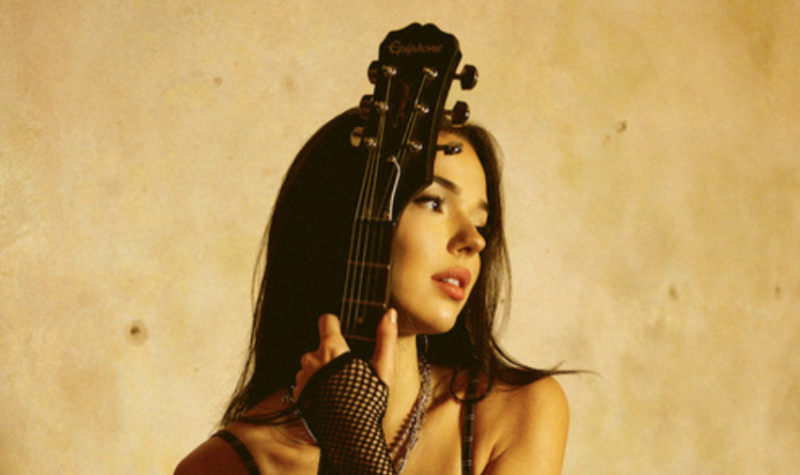
Ava Renn’s debut album Lightning Child arrives not as a tentative introduction, but as a statement of intent. Spanning ten tracks over a lean 34 minutes, the record positions Renn as an artist with both commercial instinct and creative conviction, someone capable of distilling raw emotion into a tightly structured body of work without sanding down its edges.
Raised by two writers and immersed in storytelling from an early age, Renn approaches songwriting with narrative clarity. Her lyrics are economical yet vivid, sketching emotional states rather than spelling them out. This literary grounding gives Lightning Child a sense of coherence that extends beyond sound, allowing the album to function as a complete work rather than a loose collection of songs.
Sonically, the album blends rock, alt-pop, and blues-inflected textures, drawing subtle lineage from artists like PJ Harvey and Fiona Apple while maintaining a contemporary polish. Dirty guitars, restrained rhythms, and carefully deployed dynamics keep the arrangements grounded, never overpowering Renn’s vocal presence. The production, handled by Doyle Odom alongside Renn herself, favors immediacy over excess.
The tracklist moves fluidly between volatility and restraint. Songs exploring grief and emotional rupture sit alongside moments of empowerment and self-recognition, giving the album an internal push and pull that sustains interest throughout. There is a clear arc at play—one that mirrors personal reckoning rather than manufactured drama.
What distinguishes Lightning Child is its efficiency. In an era of bloated runtimes, Renn understands the value of leaving an impression without overstaying her welcome. Each track earns its place, contributing to a broader emotional and sonic narrative.
With Lightning Child, Ava Renn signals long-term potential. It’s a debut that balances artistry with accessibility, positioning her as an emerging voice capable of navigating both critical and commercial landscapes with confidence.
Instagram, X, TikTok, Spotify, YouTube